Shaun Conway
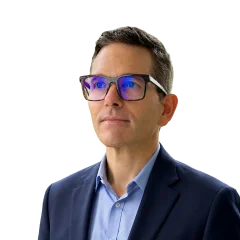
I lead IXO, where for more than a decade we have been building the Internet of Impacts – an intelligent cooperation software system that uses data, AI, and cryptographic proofs to link intent, action, and verified outcomes in the real world. My current focus is on architecting sovereign, AI-enabled systems such as the IXO Spatial Web, the Qi Flow engine for human–AI cooperation, and domain platforms that apply these capabilities in areas like global health, climate, and youth livelihoods.
My expertise sits at the intersection of global health, international development, impact finance, and advanced data and AI systems. I work on how to design verifiable, intelligent digital infrastructures – identities, claims, tokens, flows, and governance mechanisms – that make it possible to coordinate capital and effort at scale while keeping people, communities, and public institutions in control of their data and decisions.
Over my career I have founded and led a portfolio of technology-driven ventures that have grown into leading health service delivery, advisory, and scientific organisations. At the international level I have advised and worked with institutions including the World Health Organisation, UNAIDS, UNICEF, the World Bank, and the UK Department for International Development, where I served as a Health Systems Adviser in the Research and Policy Division. I’ve also worked with governments, companies, and civil society organisations to design programmes and systems for locally anchored, sustainable socio-economic development.
Back in 2008, I proposed a decentralised, data-driven mechanism to optimise capital allocation for sustainable development projects, giving stakeholders an economic stake in verified results through a system of credits – what we would now recognise as tokens. This became the conceptual foundation for the IXO Protocol. In 2017, we established the nonprofit IXO Foundation to steward this protocol and to advance open standards and technologies for trustworthy impact data and digital public infrastructure.
I think of this work as building a kind of digital immune system for Earth and humanity: a network of trusted sensors, agents, and protocols that help us collectively sense, understand, and respond to risks and opportunities for regeneration more intelligently and more justly.