Foresight Institute · 40th Year Impact Report · 2026

Impact report

40 years of Foresight

01 · A letter from our CEO and co-founder

Dear friend of Foresight

When you think about a flourishing future, what comes to mind? Chances are you can picture it clearly. What might be harder is to imagine how we get there from here. We believe we’re much closer than it seems.

We are living through an extraordinary moment. What was theoretical just a few years ago is now being built, and the pace is only picking up. In 2024, the fruit fly connectome was mapped, a feat that was pure speculation when we hosted our first neurotech sessions. Brain-computer implants are now restoring speech and movement to patients. Longevity, a field no one was funding just fifteen years ago, now attracts billions. And in 2026, mechanosynthesis (positioning atoms one at a time to build structures) was demonstrated in a preprint from a team with deep roots within the Foresight community.

None of this was inevitable. These breakthroughs were debated, foreshadowed, and sometimes seeded by this very community. This report marks forty years of that work. Hear from the people who made Foresight what it is today: founding members who were in the room in 1986, fellows whose work is now being recognized, grantees who turned a research idea into a startup or lab, and researchers who met at a Foresight event and never stopped collaborating. Their stories are the real measure of our impact, and the best preview of what’s next.

Since 1986, Foresight has been early: on molecular manufacturing, cryonics, prediction markets, open-source software, whole brain emulation, and artificial general intelligence before it even had a name. In the decade ahead, we are gearing up to be early once more. We aim to derisk, fund, and accelerate the sci-fi-sounding technologies now within reach—whole brain emulation, biostasis, molecular manufacturing, and secure human–AI cooperation—while defending against their misuse. This requires the decentralized, sovereign compute that research currently lacks.

In an era where compute increasingly decides who gets to do meaningful science, we’re betting on distributing it rather than watching it concentrate in a handful of companies. Our AI Nodes are the first pieces of such a network. But frontier technology doesn’t just require infrastructure. It requires the right people. The gap between today and a flourishing future is still real—and it has never been smaller. We invite you to help close it. So join a Vision Weekend. Apply to a Node. Sign up for a seminar. Back a program.

Existentially hopeful futures don’t arrive on their own. They are built. Come build them with us.

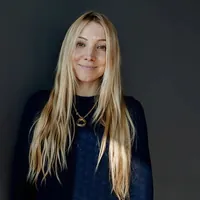
Allison Duettmann, CEO of Foresight Institute

Our track record

266

Fellows supported to advance frontier science and technology since 2017, at a 5% acceptance rate

453

Online seminars hosted since 2020, across 5 technical fields

$7M

Granted since 2023, across AI security, privacy, decentralized cooperation, epistemics, neurotechnology, longevity, and molecular nanotechnology

75%

Of respondents to our impact tracking made 3 or more new professional connections through Foresight; 26% made ten or more

84%

Reported increased access to high-quality collaborators via Foresight, 34% of them a substantial increase

9.08/10

Mean score out of 10 across all our events.
67

Respondents reported they had invested in a project they found via Foresight

1M

9% of investors contributed with one million or more into foresight-related projects

“For 40 years, Foresight has backed frontier science that’s too early or too interdisciplinary for legacy institutions–and helped inspire and organize 10,000+ scientists, technologists, philanthropists, investors, students, and dreamers along the way.”
Juan Benet, Protocol Labs
“As far as how to recognize research that is going to be really impactful in the long term… I think [Foresight Institute is] doing a good job in recognizing things that have potential.”
David Baker, Nobel Prize winner in Chemistry 2024, and winner of our Feynman Prize 2004

02 · 40 years of Foresight

40 Years of Foresight

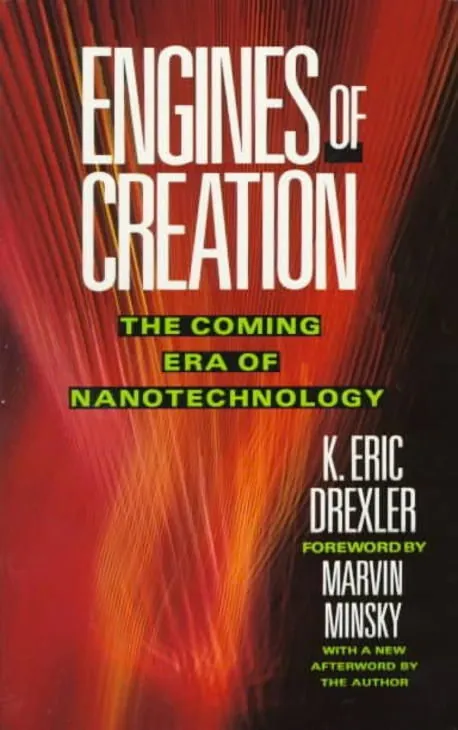
Foresight was established in 1986 inspired by the ideas presented in Engines of Creation, authored by our co-founder Eric Drexler. In this book, Drexler laid out a set of emerging, transformative technologies that have the potential to significantly enhance the human condition: nanotechnology, biotechnology, information technology, robotics, space transportation, and artificial intelligence.
Given the broad technology stack Engines of Creation explored back in 1986, Foresight Institute quickly became a Schelling Point for scientists and technologists who longed for great futures across the board. Today, most of these technologies people considered science fiction at the time are no longer fringe. They are either taking shape in labs or defining the actual research frontier.

Watch our video

Four decades in one short film.

  1. 1986

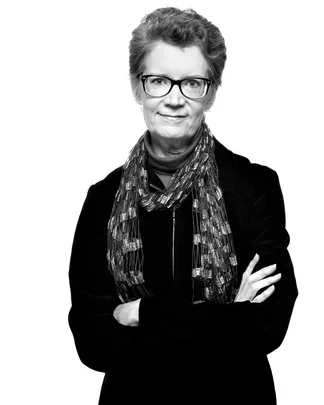
    Foresight Institute is founded by Eric Drexler and Christine Peterson.1

  2. 1989

    Foresight hosts the first ever comprehensive conference on the topic of nanotechnology, with 150 invited participants from three continents. The proceedings are later published by MIT Press.2

  3. 1993

    The Feynman prizes are initiated. Two winners, David Baker and Sir J. Fraser Stoddart, later went on to win the Nobel Prize.

  4. 1994

    Foresight hosts one of the world’s first prediction markets with Robin Hanson.

  5. 1997

    The term ‘artificial general intelligence‘ appears in a paper at Foresight’s Fifth Conference.3

  6. 1998

    Co-founder Christine Peterson coins the term ‘open-source software’.

  7. 1999

    The Foresight Guidelines for Responsible Nanotechnology Development are published, with IMM.org

1 Encyclopedia of Nanoscience and Society, SAGE 2010; Wired 2004 · 2 Foresight Update 7; Crandall and Lewis, MIT Press 1992 · 3 Gubrud 1997; METR 2025

Early days of Foresight

Foresight advisor Stewart Brand (right) at early conference1
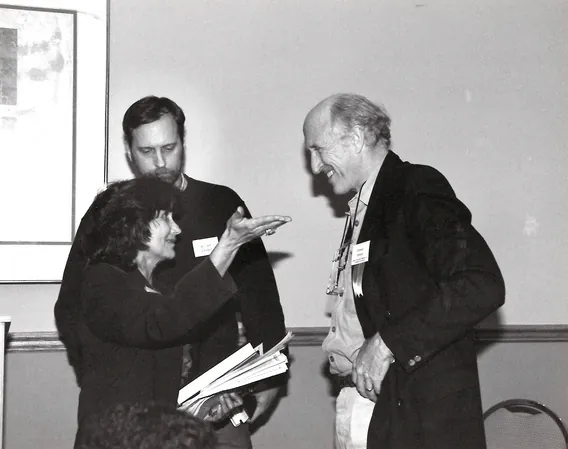
Foresight founding board member Jim Bennett and cofounder Christine Peterson2
Cover of Engines of Creation: The Coming Era of Nanotechnology by K. Eric Drexler
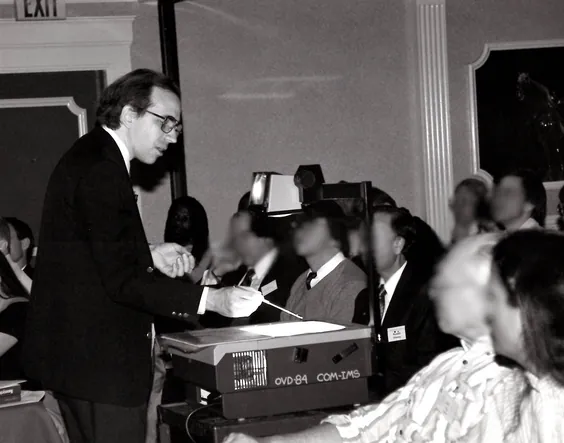
Cofounder Eric Drexler speaking at an early conference3
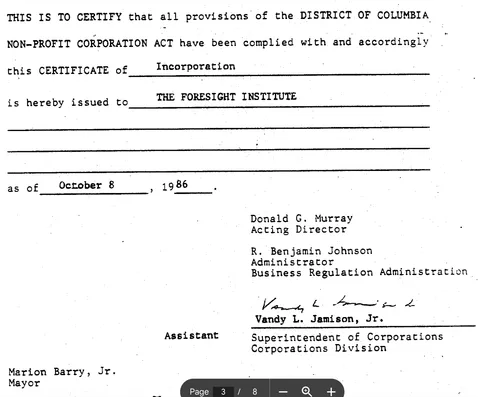
Foresight’s certificate of incorporation, dated October 8, 19864
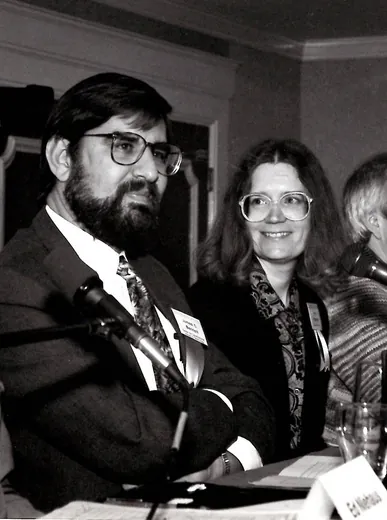
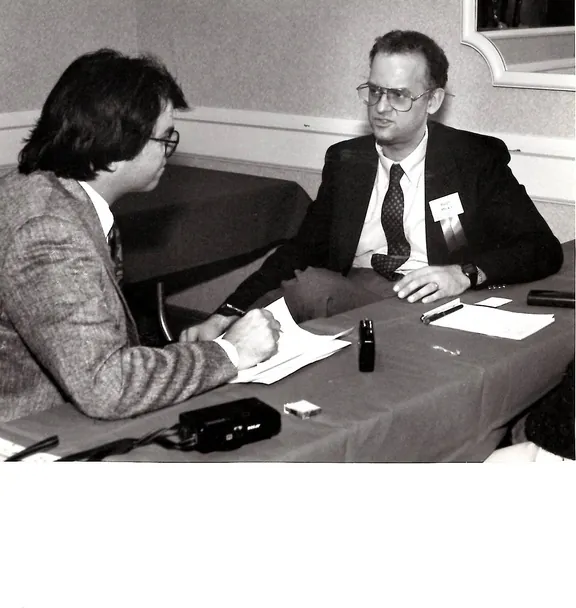
Nanotech theorist Ralph Merkle at early conference5
Natasha Vita More, Norm Hardy, Fred Moulton, and speaker Greg Burch at a 1990s Senior Gathering6
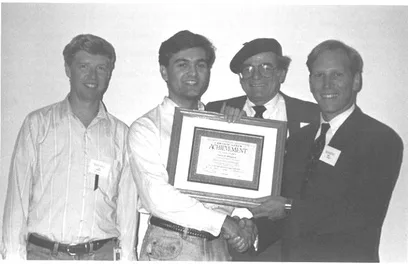
The first Feynman Prize in Nanotechnology being awarded in 19937
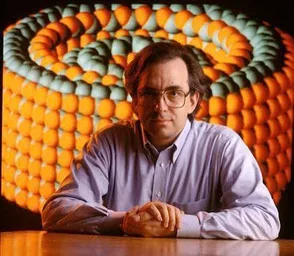
Co-founder Eric Drexler8
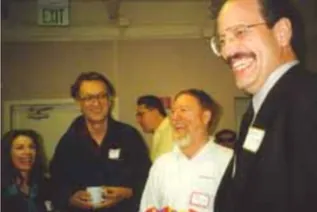
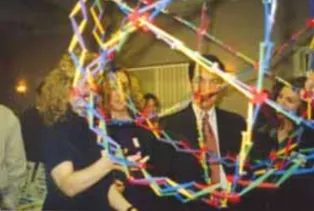
An early Vision Weekend in the 1990s9
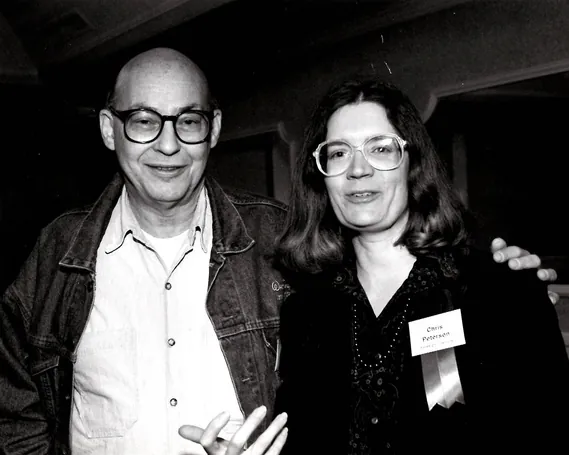
Foresight advisor Marvin Minsky and cofounder Christine Peterson10
  1. Foresight advisor Stewart Brand (right) at early conference
  2. Foresight founding board member Jim Bennett & cofounder Christine Peterson
  3. Cofounder Eric Drexler speaking at an early conference
  4. Foresight’s letter of incorporation, signed on October 8th 1986.
  5. Nanotech theorist Ralph Merkle at early conference
  6. Natasha Vita More, Norm Hardy, Fred Moulton, and speaker Greg Burch during the opening social of a 1990s Senior Gathering.
  7. The Feynman Prize in Nanotechnology is awarded for the first time in 1993. From left to right, Ted Kaehler, recipient Charles Musgrave, his research advisor Prof. William Goddard III, and Marc Arnold.
  8. Co-founder Eric Drexler
  9. An early Vision Weekend is enjoyed by Sunah Cherwin, Chris Sapyta, Chris Tame, and Natasha Vita More in the 1990s.
  10. Foresight advisor Marvin Minsky and cofounder Christine Peterson

What makes Foresight unique?

Who better to ask than our community? This year we shared an impact survey and got back over 300 responses, including 39 from members who joined before 2015, and 12 from the founding cohort of 1986–1990. These are people who were in the room at the very beginning and forty years in, they are still answering our emails. In terms of what sets Foresight apart, two points repeatedly came up.

Foresight has been early. Not just slightly, but decades ahead.

In 1986, Engines of Creation played a role in the popularization of the term ‘biostasis’, as a more modern, scientifically precise synonym for cryonics or cryostasis. Drexler was also the earliest and most vocal advocate for de novo protein design. It was framed as a critical pathway toward atomically precise manufacturing and advanced nanotechnology long before the field became mainstream. David Baker and Brian Kuhlman won the Feynman Prize in Nanotechnology in 2004 for developing Rosetta Design, the software that ultimately proved this theory correct, by creating the first artificial protein with a fold completely absent from nature.

However, being early doesn’t matter unless people support your ideas. The second aspect our community attributed as unique to Foresight was the people they had met via our programs or events, and how the value of those connections had compounded over time.

Foresight has consistently gathered the right people.

Connections made at Foresight have opened doors, redirected careers, started partnerships, and expanded scientific fields. If we were to tell our impact story in numbers alone, these stories risk getting lost.

Looking back over the past 40 years, our greatest achievement by far is our community. We are proud to have fostered a global community in which ambitious ideas can be articulated, red-teamed, and supported by collaborators, mentors, and funders.

While our members work in fields as distinct as neurotechnology and space technology, but are united in their pursuit of ambitious goals and belief in technological progress for human flourishing.

We are proud to offer them a home.

“Met Ralph Merkle, starting a 30+ year professional partnership.”
Robert Freitas
“Meeting Rick Smalley in 1998 resulted in my moving to Rice University in 1999.”
James Tour
“What stands out most is the role Foresight played in a set of mutually reinforcing organizations that exchanged ideas, criticisms, and resources. The three large Bay Area communities–Foresight, Extropians, and Cypherpunks–all had origins and growth in the late 1980s and early 1990s. There were some people who were active in all three.”
Fred C. Moulton
“I can say with complete certainty that I owe my entire career path to Foresight, for which I remain very grateful. Foresight made our recent demonstrations of mechanosynthesis possible by bringing the right people together early on.”
Damian Allis
“The only org consistently hosting high quality events and programs for intelligent futurists is Foresight. There is no other organization or think tank in world serving the role that the Foresight Institute serves; none even close…”
Dan Elton
“I attended the very first Foresight Conference in 1989 – the one with the earthquake – after I founded the sci.nanotech Usenet group. Met and became longtime friends with Eric and Ralph. Contributed papers to most of the subsequent Conferences.”
J. Storrs Hall
“Eric Drexler visited me in IBM Zürich early in the 80s researching his book. I later met him during the DOE APM discussions, and also in Oxford. It’s been a mind-opening journey over the years. It started as a crazy bunch of people and over the years became an essential way to think of the future.”
Joseph Bates

03 · AI Nodes

AI Nodes

This year we opened the doors to our first AI Nodes: unique physical hubs providing practical infrastructure, funding, and community for independent AI safety and AI science projects. Alongside operating our own Nodes, we have been building the institutional infrastructure around a broader Node Model and deepening how we collaborate with other organizations. Our first community xNode, based in Cape Town, was officially announced on September 11.

Go deeper into our AI Node mission by reading “Open Science Needs Open Compute“, an article written by CEO Allison Duettmann. It covers the implications of compute concentration, the four bottlenecks it creates, and what a distributed alternative requires.

56

Node-linked grants awarded so far this year, 44 of them including compute access

27 of 38

Responses from Node members were extremely positive, 11 mixed, none negative.

311

Days reported onsite and 190 compute hours so far in 2026

9/10

Mean recommend score out of 10 from 38 Node event attendees who gave feedback so far in 2026, 31 in Berlin and 8 in San Francisco, with 26 of 38 scoring 9 or 10.

2,072

Co-working hours self-reported by the Node members who responded to the 2026 impact survey.

8,145

Compute – Node researchers consumed 8,145 observed GPU-hours over 90 days, with 17,730 GPU-hours tracked across the cluster. This is equivalent to approx. 3.8 GPUs running continuously throughout the quarter, and roughly $15–20k of cloud-equivalent compute consumed.

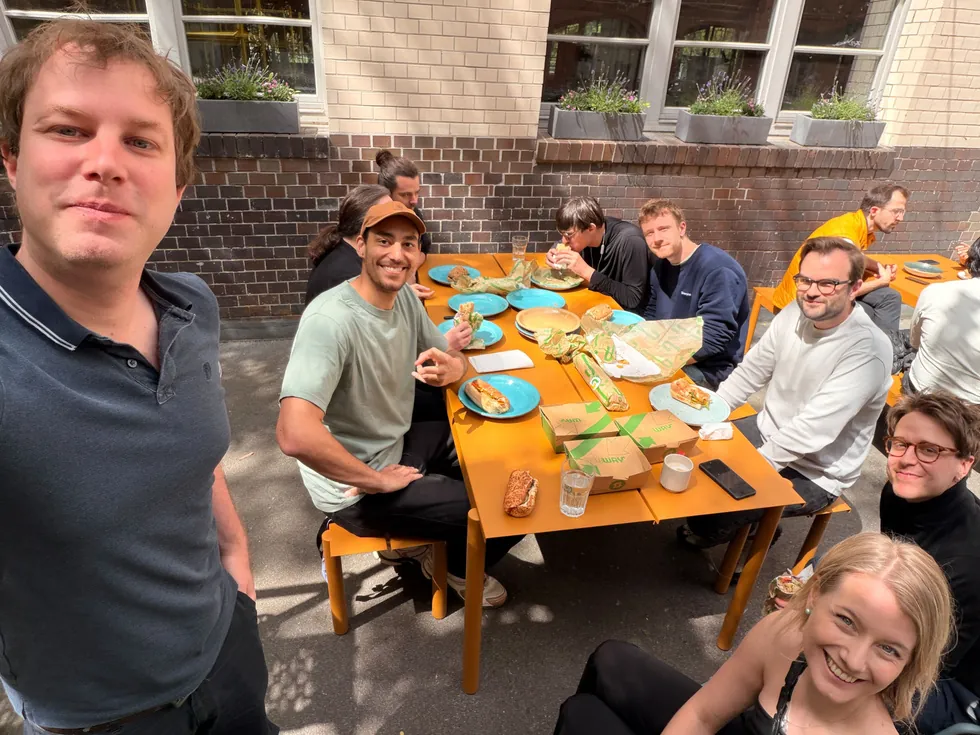
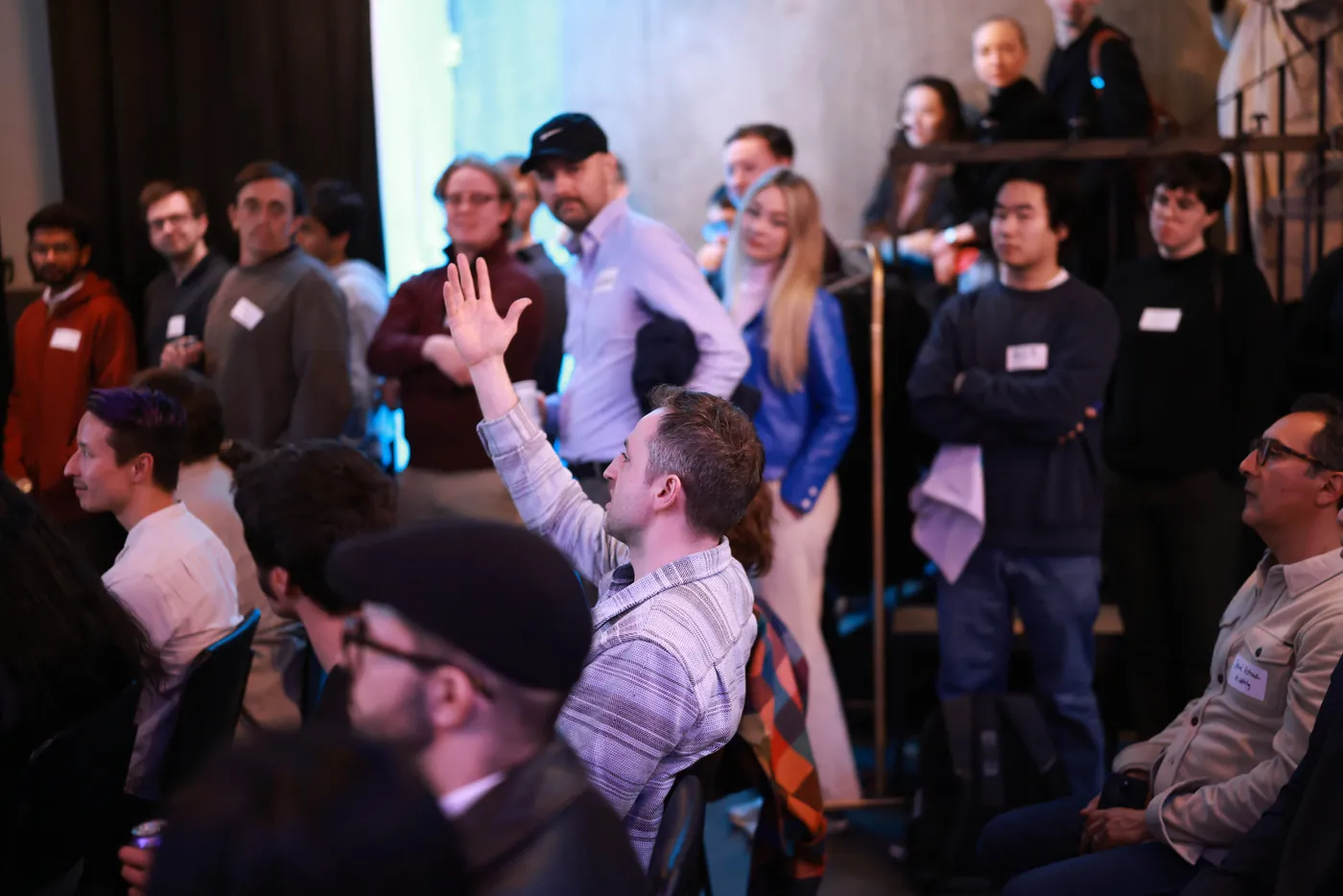
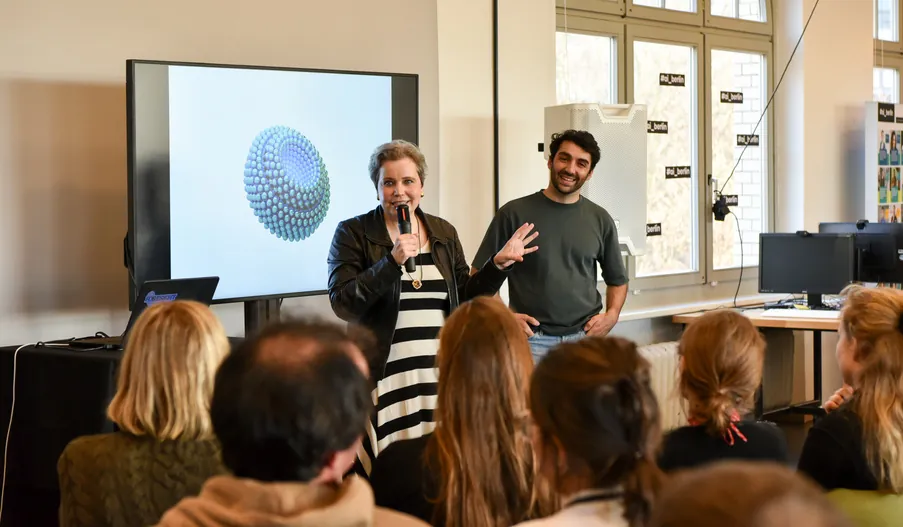
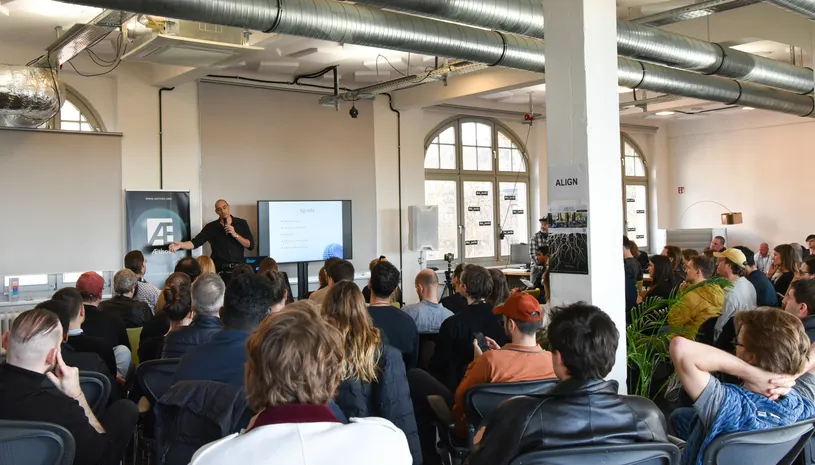
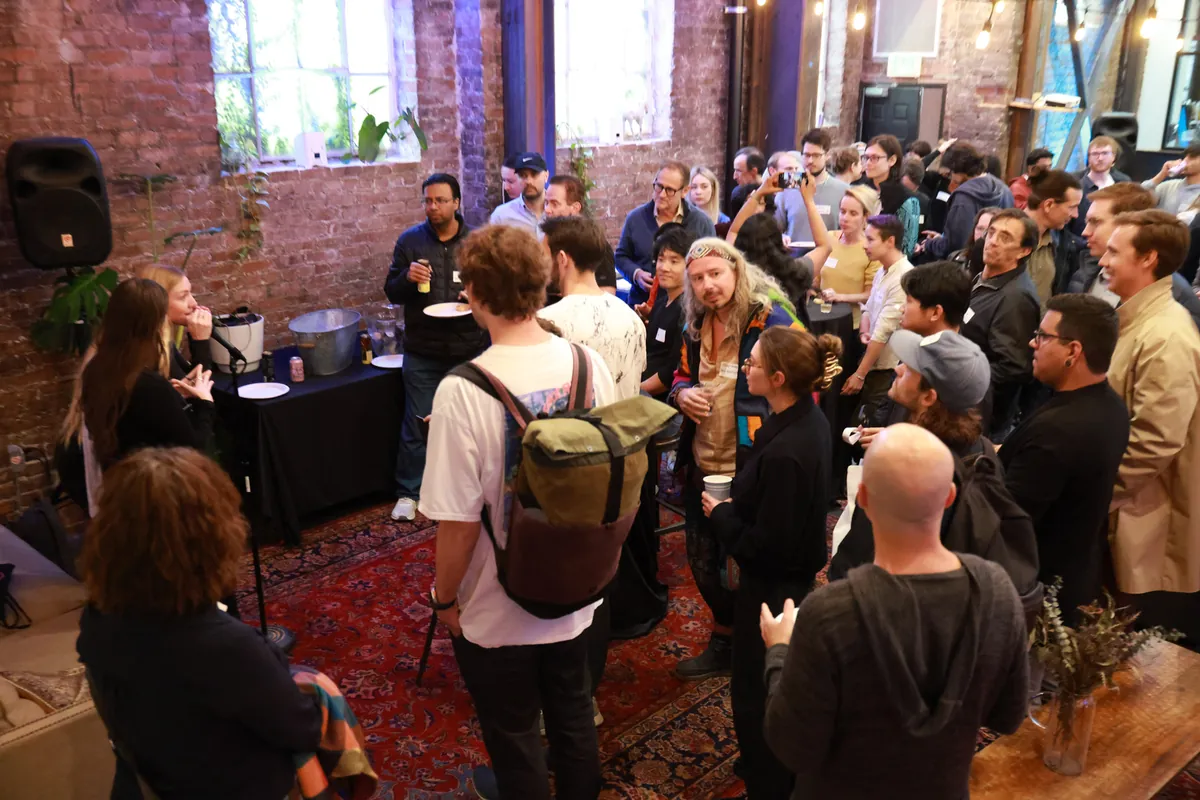
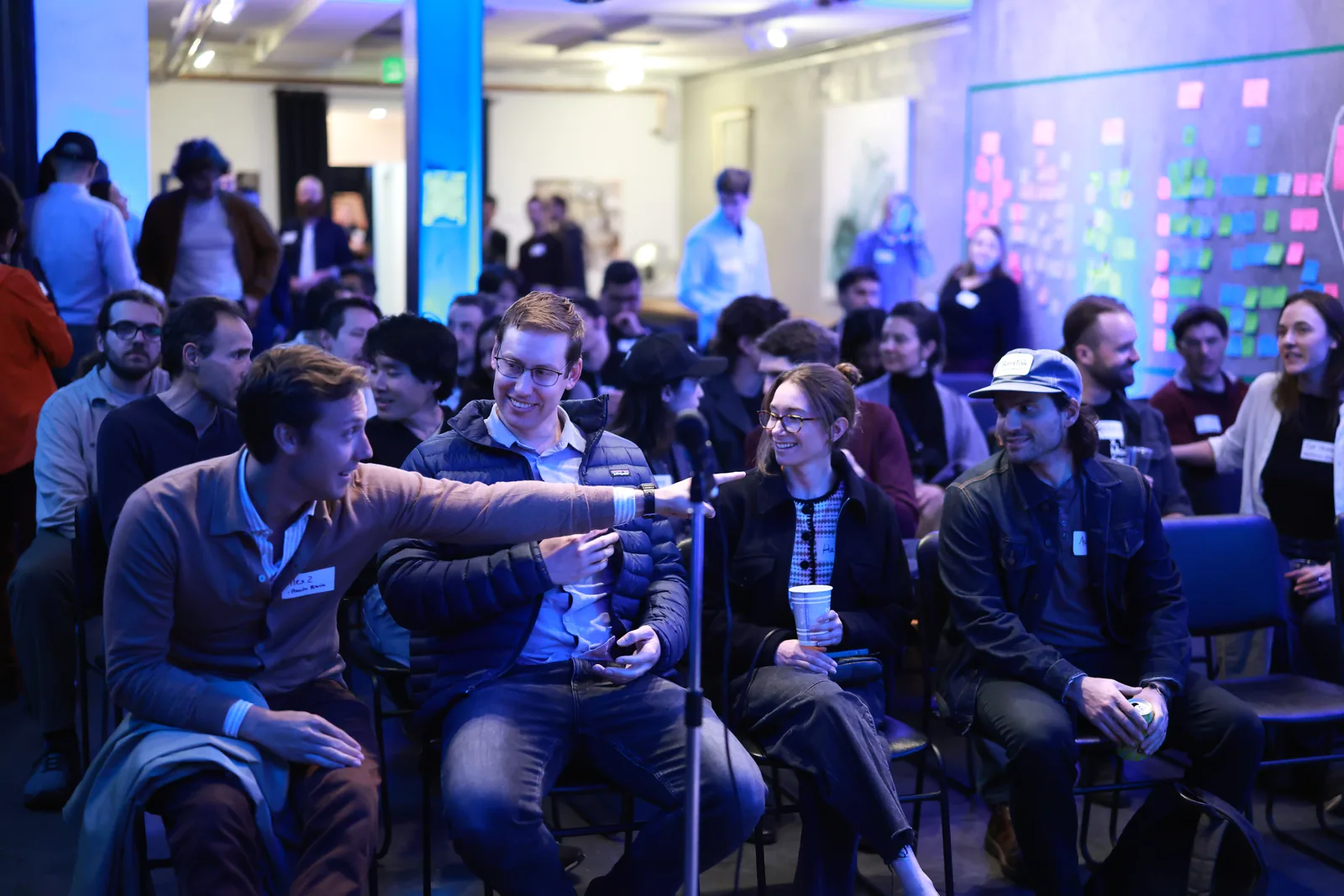
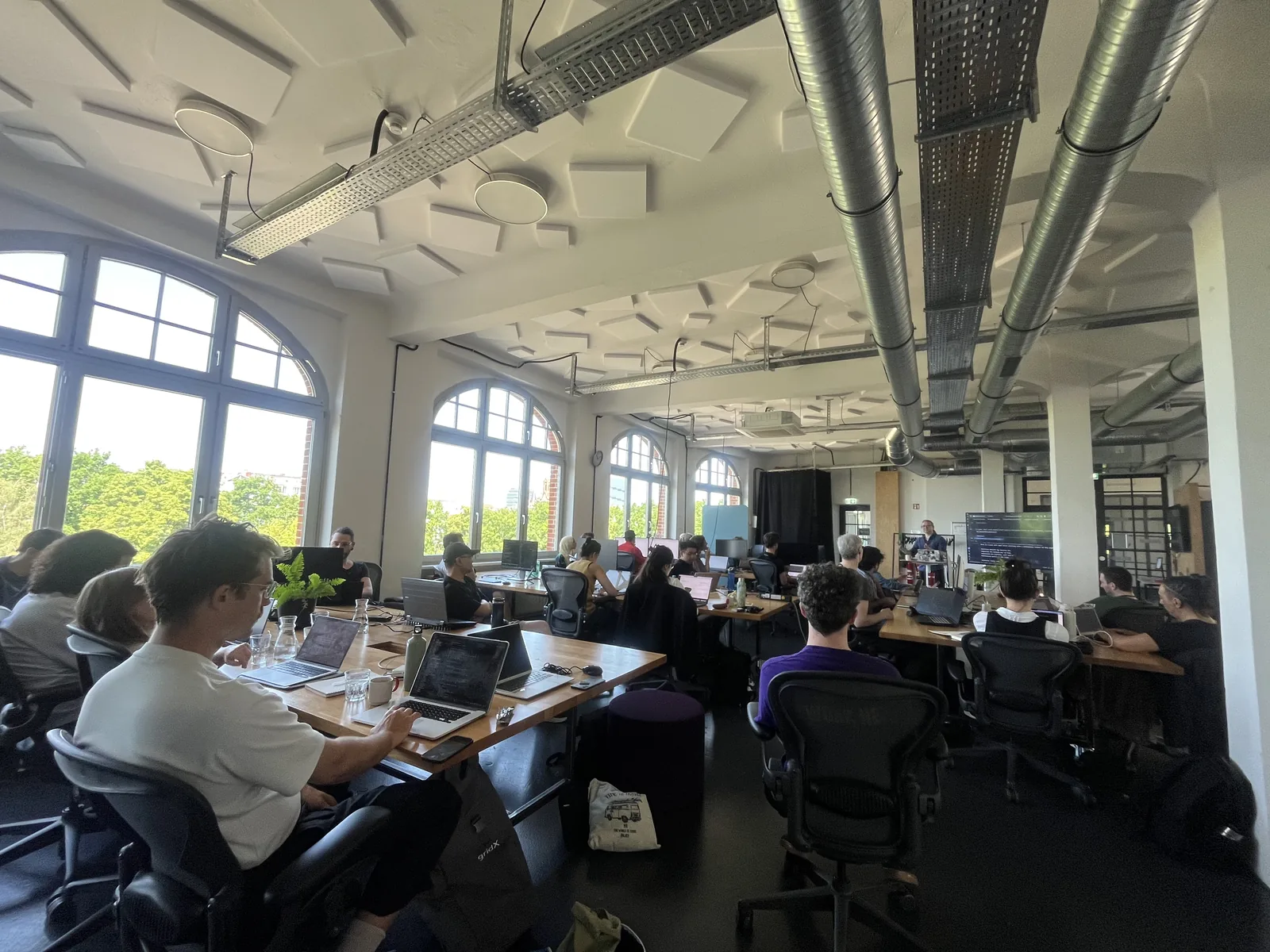
Node members sharing a meal outdoors A crowded Node event Speakers presenting at a Node
A talk at the Berlin Node

Berlin

Located at the Cambridge Innovation Center (CIC), our Berlin node has become a physical anchor for Foresight within the European AI safety and AI for Science ecosystems.

30 events since launch, with roughly 3,000 attendances. Topics covered include trustable agent architecture, metacognitive AI, agency detection in real-world data, automated agent-to-agent jailbreaking, and tracing model reasoning to detect deception.

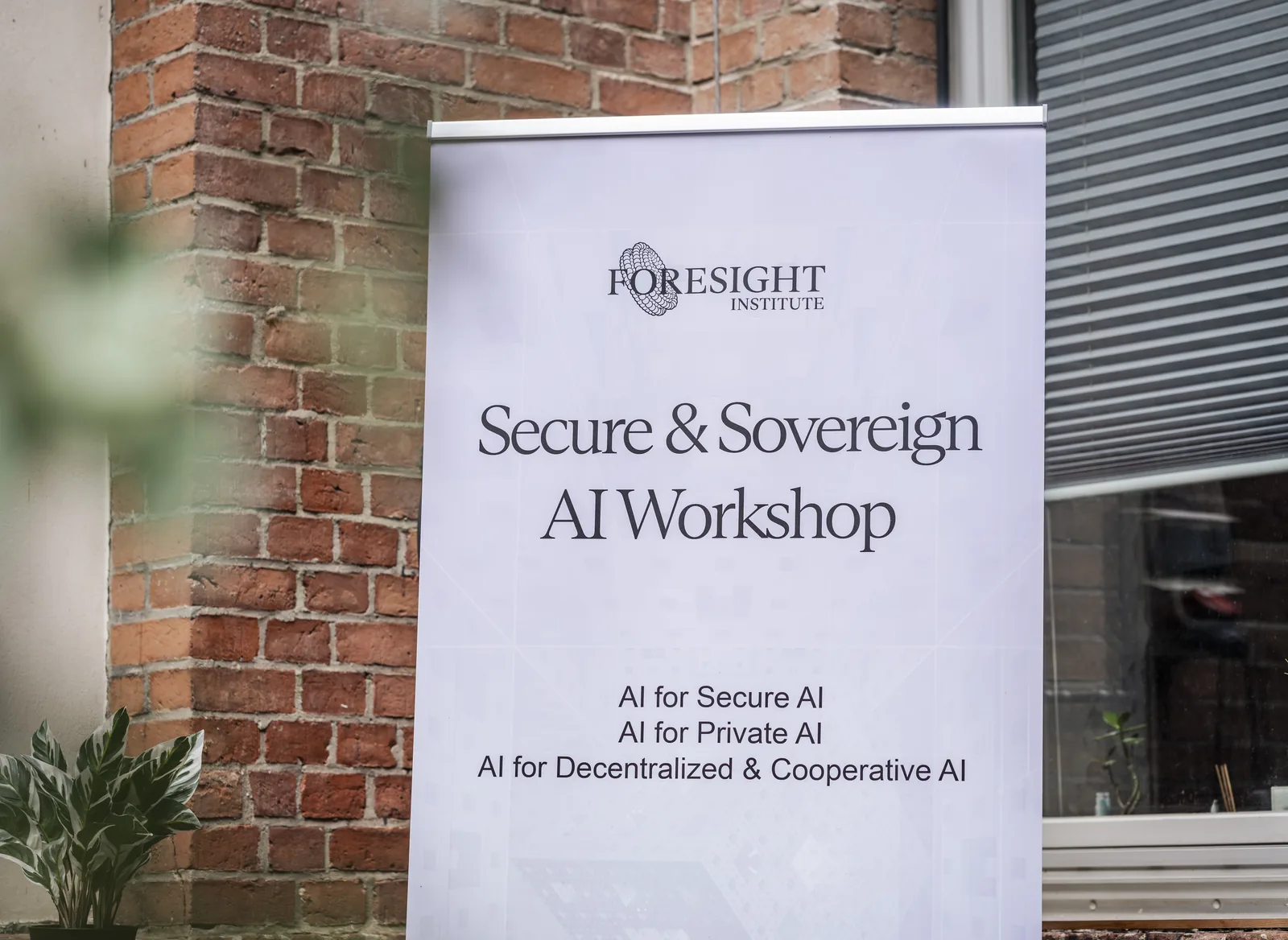
Major events – Hosted Foresight’s Secure & Sovereign AI Workshop July 18-19; SAIGE’s European Frontier AI Safety Day; and CIMC’s Computational Consciousness conference. Ran a Foresight Village over four days at DWeb Camp.

Partnerships with SPRIND, Æthos, Futura.house, Medulla.city, AI Safety Berlin, SAIGE, Apart Research, and CIMC. AI Safety Berlin now holds nine resident desks and co-hosts a fortnightly lunch and coworking session and CIMC keeps six visiting researchers in residence.

A salon at the San Francisco Node

San Francisco

Our SF Node, located at The Fold, has since launch day been laying a solid foundation for a rapidly growing community of Bay Area researchers and builders.

Salon events – Since the launch in April, the Node has hosted 8 AI salons, bringing together researchers and organizations including Google DeepMind, ARIA, GMU, the Wyss Institute, QURI, Halcyon Ventures, and Capable. Across these salons, there were approximately 1,570 RSVPs, an average of 190 people per salon.

Major events – AI for Frontier & Meta Science Workshop Sept 29-30, the Foresight × Convergent Research Salon Oct 1, and programming & VIP dinner during our flagship event Vision Weekend Nov 13-15.

Residency – Our Node residency has had an occupancy of 70% since the launch in April, demonstrating the demand for and value of offering our community a physical space.

Community Highlights

Kazik PogodaBerlin
Rewrote the TypeScript compiler in Kotlin over five months, working autonomously: a job Microsoft undertook with a large human team. He published open repos at github.com/xemantic, plus xemantic.com/metacognitive-ai, and maintains 2+million lines of active code on github. Kazik joined the Claude ambassador program, at a 0.2% acceptance rate. He has already hosted two Claude events at the Berlin Node.
Niloofar MireshghallahSan Francisco
Produced three papers with our support: one on reinforcement learning improving factual retrieval in LLMs, accepted at EMNLP 2026; a privacy follow-up showing that RL on harmless factual data can make memorized private data far easier to extract, one of the first studies of privacy misalignment in post-training; and a 325K-experiment study finding that 8 of 13 personal AI agents systematically steer users they infer to be wealthier toward more expensive flights, insurance, and programs, even when asked for the cheapest option.
Matin MahmoodBerlin
Had his Hyper3-CLIP paper accepted for an oral presentation at the ECCV BEW workshop, with a further NeurIPS workshop submission in preparation.
Timour KostersSan Francisco
Ran Agent Village V1: an experiment embedding 239 personal AI agents in a living community, with experiments covering agent-to-agent negotiation, community funding allocation, and agents drafting a constitution. Timour has publicly credited Foresight with backing the first iteration.
Julian FleckBerlin
Founded the Substrate Dynamics Research Lab, now six researchers studying multi-agent shared-memory dynamics, and shipped attractor.space.
Node membersSan Francisco
Aside from grantees, our Node members joined the OpenAI Foundation and DeepMind; one member’s organization merged with another and raised $160M; another launched a new organization now working on the OpenAI × Hugging Face investigation, and Kamilė Lukošiūtė (San Francisco) is representing Lithuania in the EU’s AI Act Scientific Panel.
“The best thing about Foresight is the people, both from Foresight directly and their network. They are kind, deeply knowledgeable, and everyone I’ve met shares a common vision of what we are working towards. Being around them turned a loose research hunch of mine into a real lab.”
Julian Fleck, Berlin Node Grantee 2026

04 · Grants

Grants

Our grants provide seed funding for promising projects. Currently connected to our AI Nodes, they support projects that use AI to advance science and safety across security, privacy, decentralized cooperation, epistemics, neurotechnology, longevity biotechnology, and molecular nanotechnology. This year, our grants shifted to focused RFPs: moving from open, general applications to targeted calls on specific bottleneck problems in AI safety and AI-first science.

$6M

Granted across 81 grants, 2023 to 2025

$1.2M

Committed so far in 2026 across 58 funded grantees

3 continents

Of grants in 2023-2025: 50 came from USA, 29 Europe, 5 Asia and Pacific.

36%

Of the grantees reporting outcomes through the impact survey had secured follow-on funding

$300K

Estimated per year redirected from institutional overhead to active research by operational changes in 2026

Grantee highlights

  • Aran Nayebi’s Foresight funded ROGUE benchmark – which highlighted broad agentic misalignment in frontier models a few months before the now famous HF incident – was awarded an inaugural 2026 Corrigibility Prize.
  • Our grant to Metaculus in 2025 produced new evidence about what makes AI forecasting systems work as well as a suite of publicly available research tools and competitive templates.
  • Catalin Mitelut founded his new company Netholabs thanks to funding from an AI Safety grant in 2024. His work on “Lo-fi approaches for uploading” is pushing the boundaries of our current understanding of biological organisms and artificial intelligence.
  • With support of an AI Safety grant in 2023, Andrew Trask from OpenMined developed a technical infrastructure to facilitate multilateral AI safety Evaluations R&D, which are now piloted in Europe to ensure that AI systems can operate securely in the real world.

Replacing Brain Tissue to Beat Aging

Jean Hebert proposed tissue replacement of aging brain cells in our 2021 longevity program, to our knowledge the first proposal of this kind. The project is now funded by major longevity investors, and the replacement approach to aging is now a leading focus area in the 2024 Amaranth Foundation Longevity Bottleneck assessment and the 2024 Longevity Biotech Fellowship longevity roadmap.

“Foresight’s fellowship gave me the opportunity to propose and develop ideas that are now leading the field in longevity research.”
Jean Hebert

Large-scale Carbon Sequestration via Engineered Materials

Following his Foresight workshop presentation on genetically modifying trees to increase carbon sequestration, 2019 Fellow Patrick Mellor met his co-founder Maddie Hall and founded Living Carbon, which was accepted into Y Combinator and has since raised $80M in equity and secured a $500M project financing deal. In addition, Patrick’s presentation prompted a present DOE program manager to launch a new DOE program to support wider R&D in the space.

“The connections and support from Foresight Institute were instrumental in founding Living Carbon and securing significant funding.”
Patrick Mellor

Mapping the Aging Brain

Iosif MG & Nikola Markov met as Fellows in 2022. As Nikola presented his research on the heterogeneous aging of functional brain networks, Iosif saw a precise match to a hypothesis he’d spent seven years trying to test. The patterns of functional network aging Nikola had been documenting offered exactly what was needed to test his predictions. They turned DDH – the Decoherence via Demyelination Hypothesis into an integrated theory with experimental footing, unifying observations from fields that had remained largely isolated.

“Foresight Institute’s willingness to fund high-risk, early-stage discovery research—including work happening inside startups, not just universities—fills a critical gap in today’s funding landscape. At a time when so few funders will take that risk, their support is essential to keeping ambitious science alive.”
Sobia Hamid, 2025 grantee
“Foresight’s grant helped launch our CryoScout project and gave us the freedom to explore ambitious ideas in cryopreservation protein screening. I am grateful for Foresight’s commitment to backing ambitious science early, when catalytic support makes the difference.”
Michael Shadpour, 2025 grantee
“Foresight’s support was instrumental in our development of high-refractive-index silicon for brain imaging.”
Uwe Kortshagen, 2025 grantee
“Foresight has significantly advanced my work in developing open-source and decentralized AI solutions. I have met numerous collaborators and investors through my participation in Foresight events, and have gleaned valuable knowledge through the talks and workshops I have attended.

Foresight Institute is showing decisive leadership in addressing the critical technology issues of our time. Their programs link extraordinary multi-disciplinary experts to impactful events, funding, and physical infrastructure, extending even to the bleeding edge of AI with local and sovereign compute infrastructure. This innovative new model is defining the future of community empowerment in the AI age.”
Jesse Posner, SF Node Grantee 2026

05 · Workshops

Workshops

Progress often occurs at the intersection of domains, but interdisciplinary collaboration is difficult and traditionally not incentivized. This is why, since 1999, Foresight has been hosting technical workshops, inviting leading researchers, entrepreneurs, and funders to tackle specific bottlenecks holding back progress at the frontiers of science and technology.

100%

Of workshop respondents in our impact tracking said the workshop had either met or exceeded their expectations. None said it fell short

78%

Said it exceeded their expectations

Project proposals developed at our workshops have later been incubated as organizations and received follow-on funding, making lasting impact a few years later.

  • 2023 Whole Brain Emulation for AI Safety workshop seeded a grant line. Since that workshop, Foresight’s AI grants have funded several independent researchers on ambitious neurotech approaches to AI risk, plus an ongoing WBE 2.0 roadmap collaboration and a 2024 follow-on workshop
  • AI Objectives Institute, a Foresight-sponsored project, incubated its AI tool for synthesizing group opinions at Foresight’s 2023 Intelligent Cooperation Workshop. The project, Talk to the City, has been adopted by Taiwan’s Ministry of Digital Affairs in a pilot program to process large-scale public input
  • Ideas explored at a Foresight conference in early 2000s, led Christian Schafmeister, Temple University to nine years of DoD support, with $5M in funding for novel catalysts development, followed by $12M in seed funding for ThirdLaw Molecular LLC and an additional $5M contract in 2022
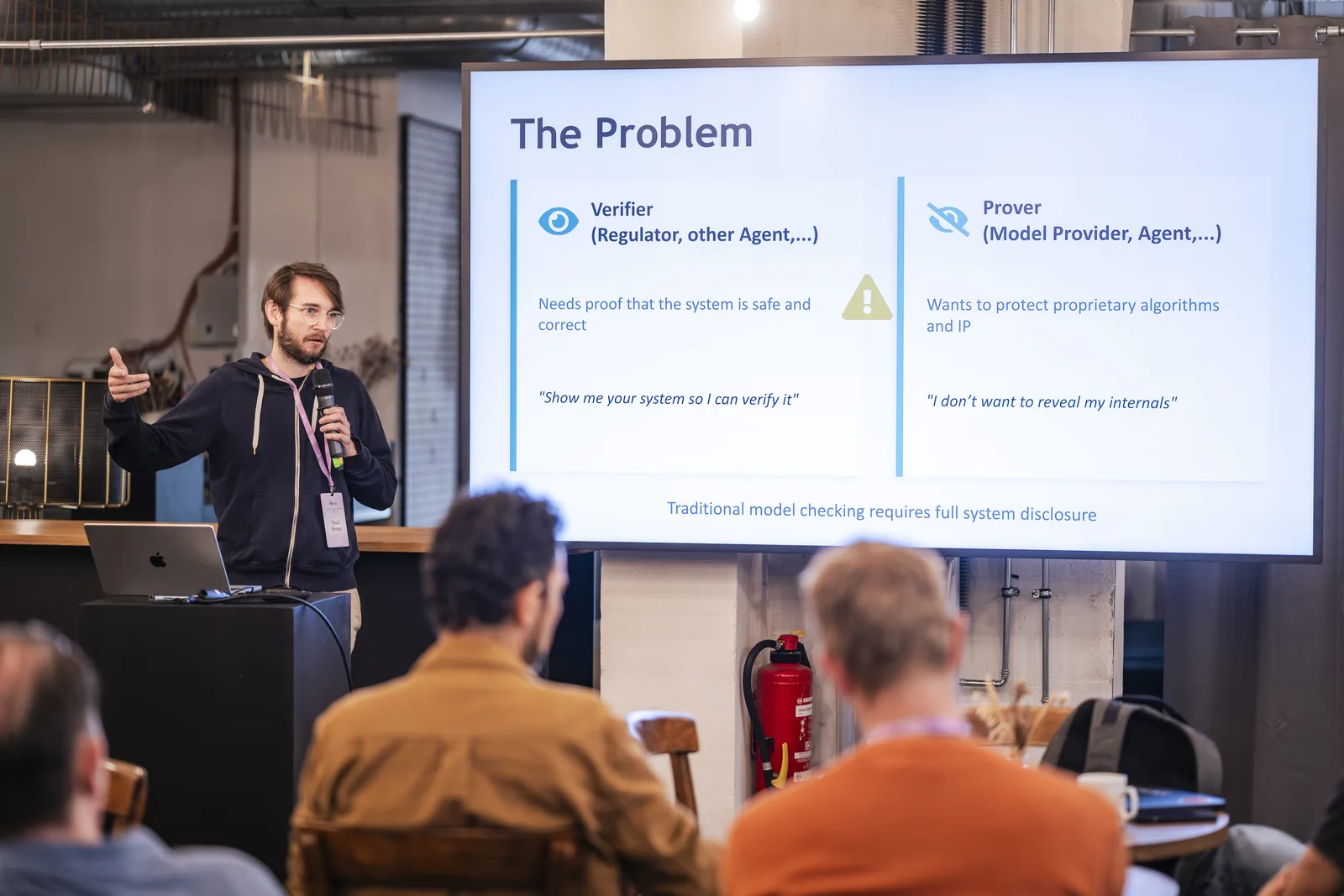
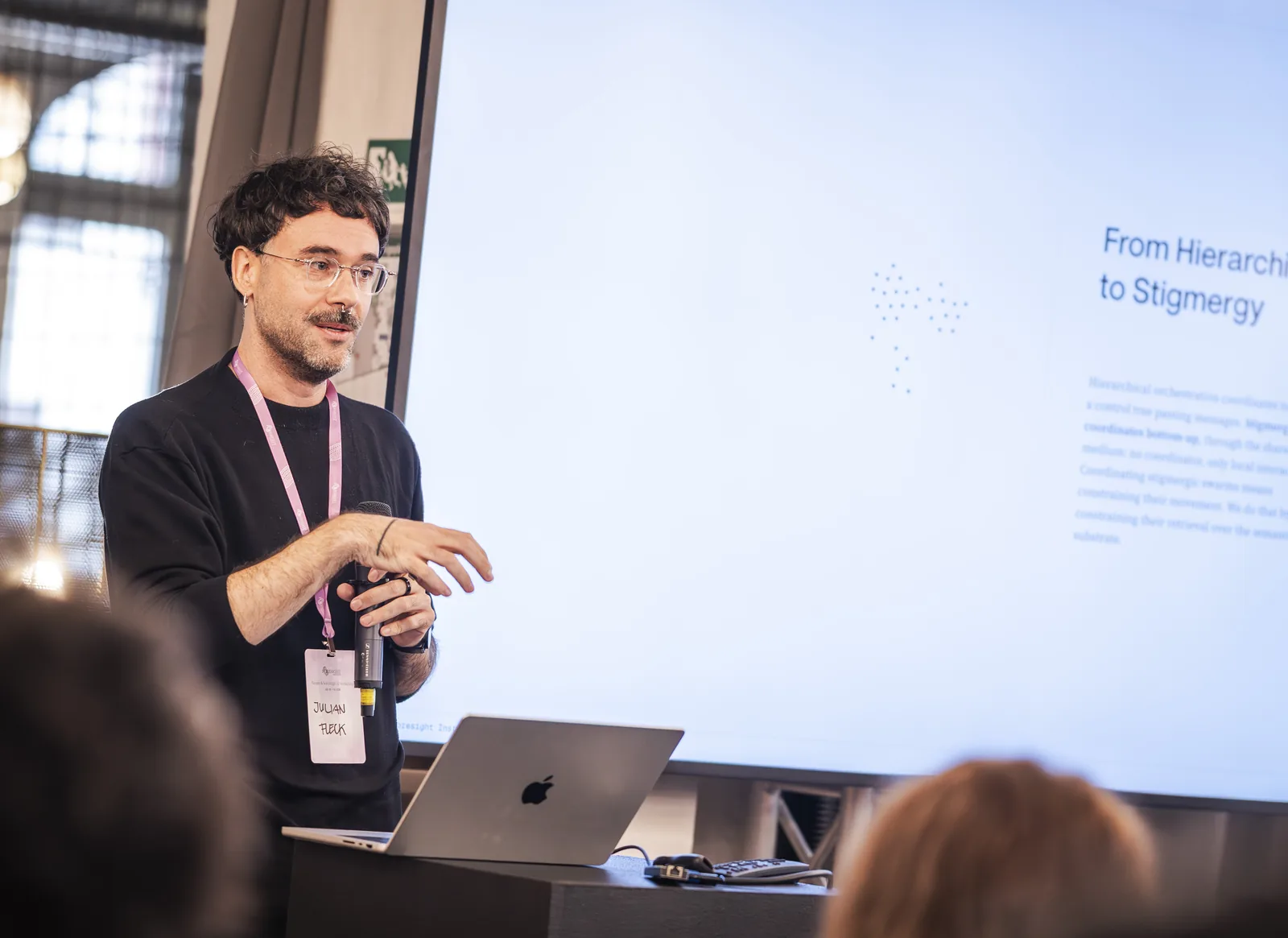
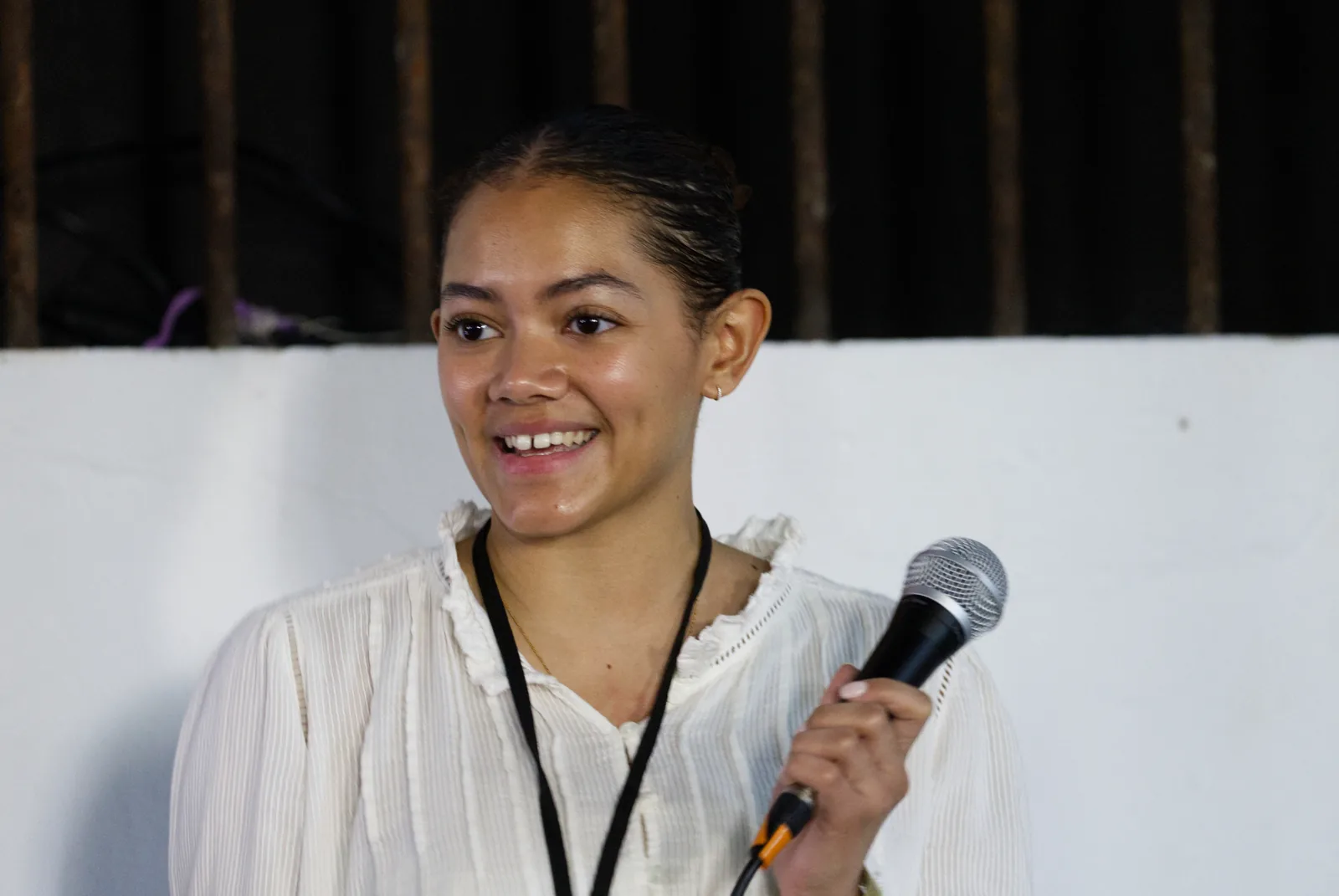
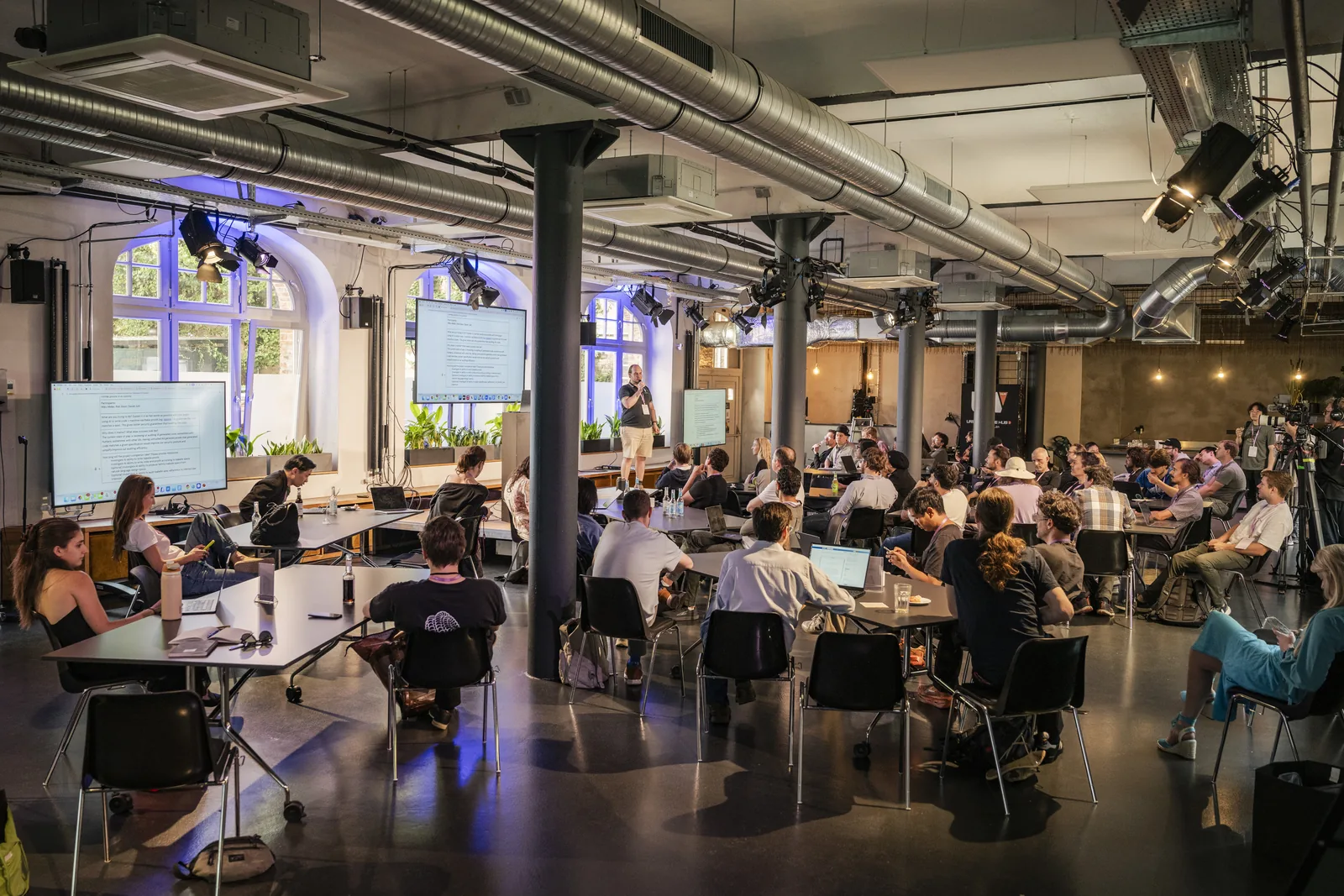
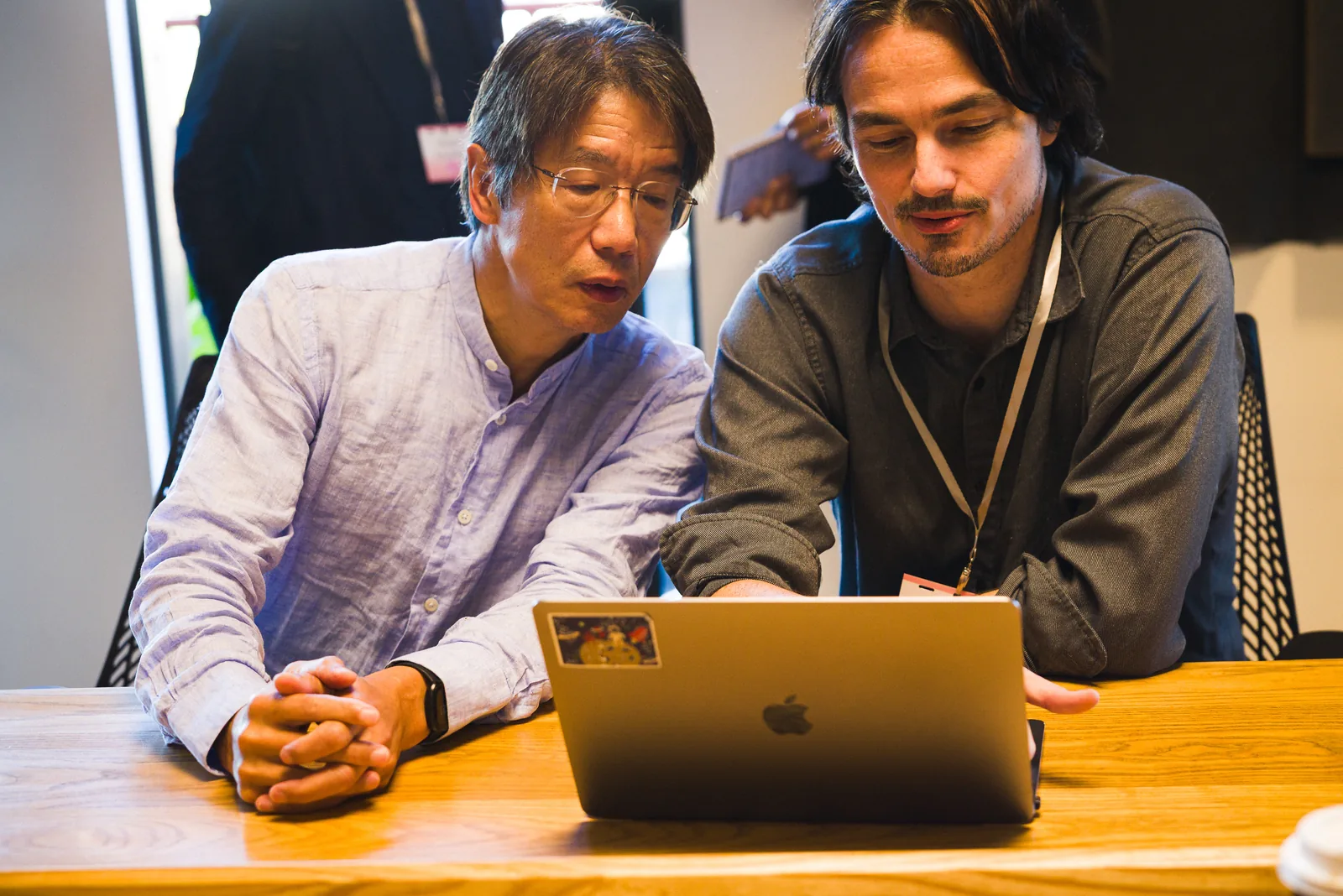
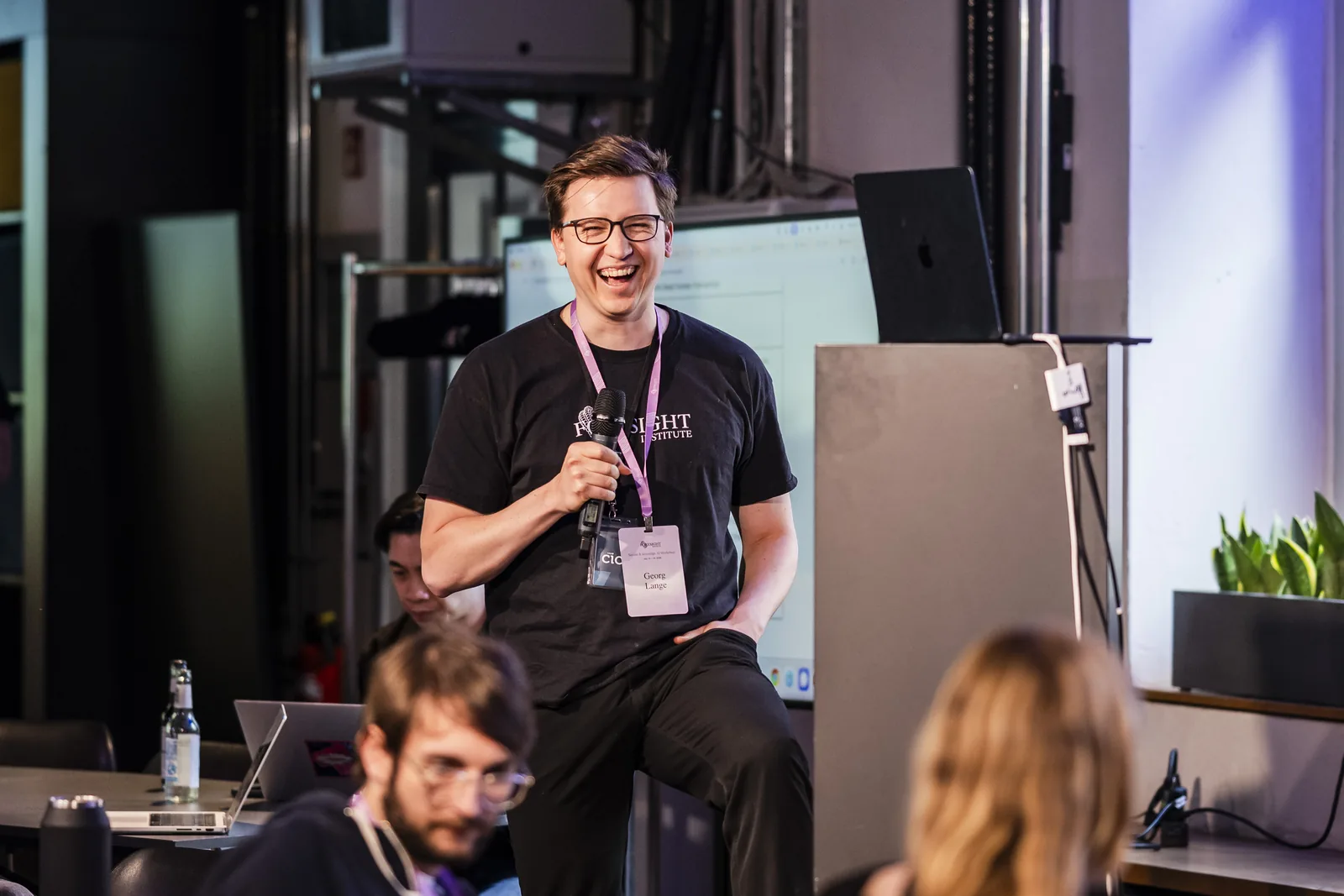
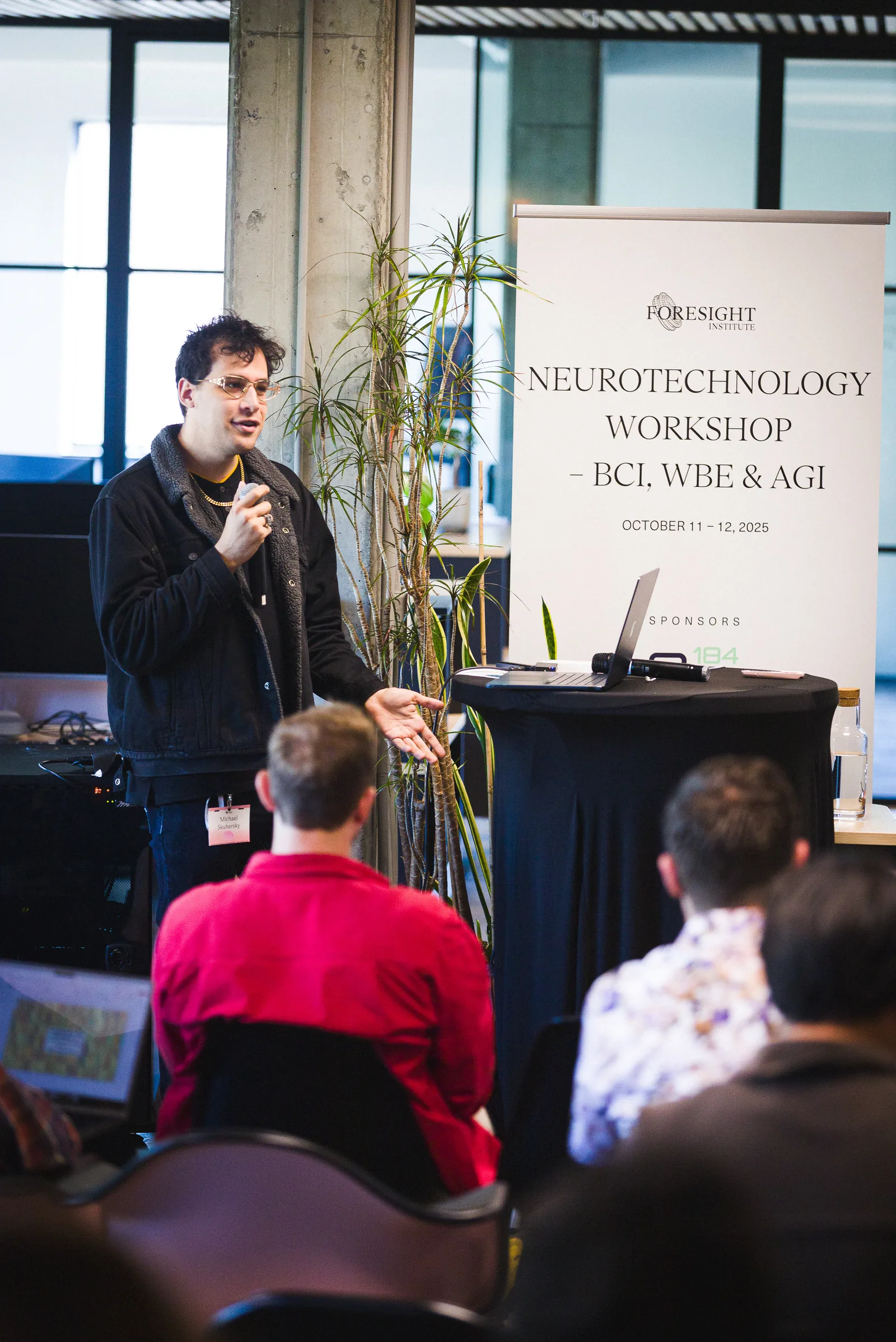
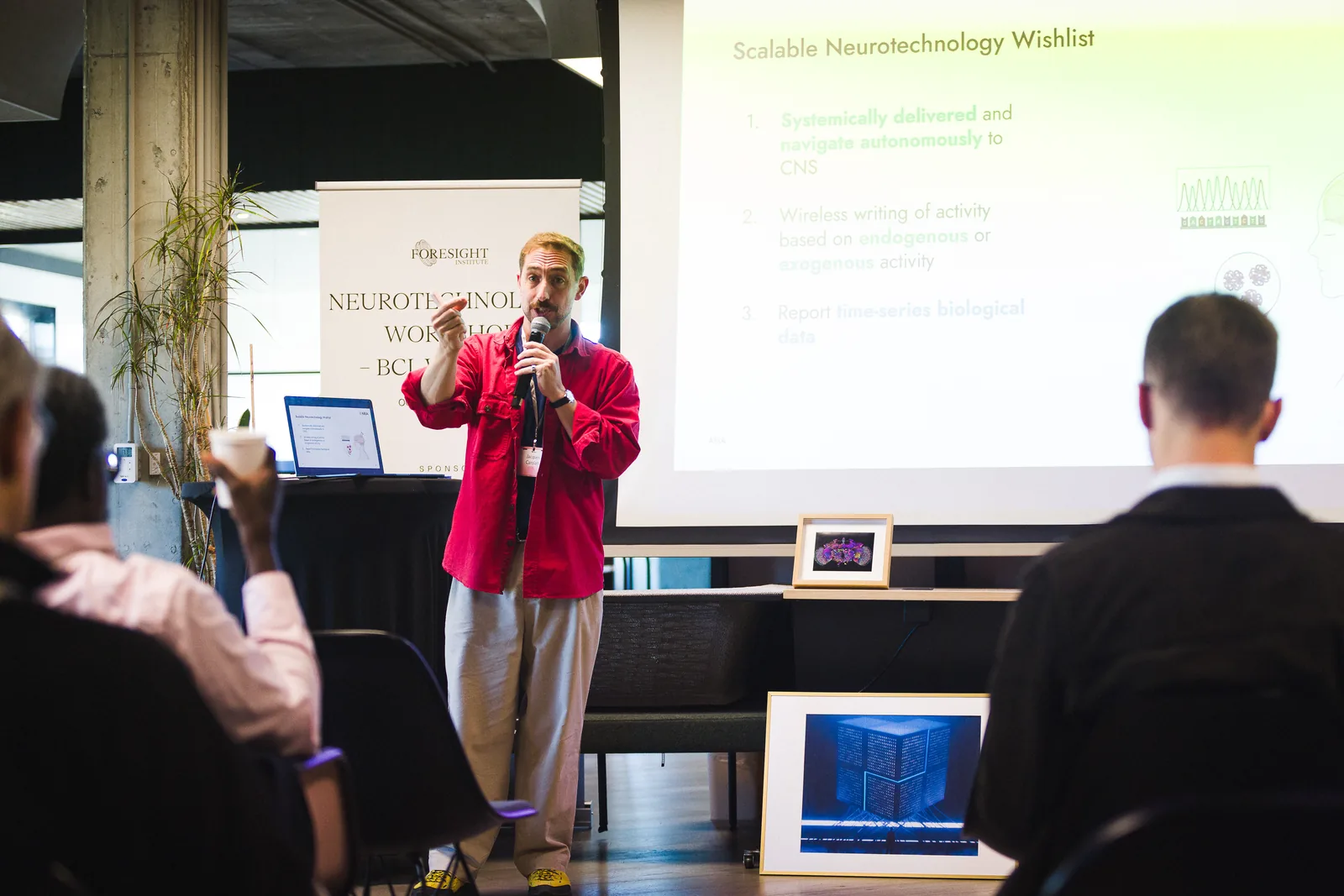
A presenter at a Foresight workshop Secure & Sovereign AI Workshop banner A speaker presenting at a workshop A smiling workshop participant
“The workshop was an eye-opening experience. It is truly motivating to see such a vibrant intellectual community working on hard problems for good.”
Stephen Elliott
“An unforgettable weekend. I am shocked how much learning can be done in such a short period of time, and I am grateful for the stimulating and eye opening conversations I had with other workshop attendees.”
Evan Harris
“Workshops where suddenly, three participants realize that topics in three tables share overlap, chairs turn, other onlookers join in and a project becomes real and two hours later there is a six person pitch with a working demo.”
Gunnar Zarncke
“I attended my first Foresight Molecular Nanotechnology Workshop in 2019 as a third-year Ph.D. student, and the experience had a lasting impact on me. I later became a Foresight Fellow in 2023. The support and inspiration I’ve received from the Foresight community over the years have been deeply meaningful. I look forward to continued engagement and collaboration with this visionary community.”
Shucong Li
“To date, I haven’t encountered another organization in Europe that approaches the development and application of AI with such a profound, foundational perspective. Having attended several of their events, I have been consistently impressed by the exceptionally high standard of organization, as well as the team’s deep research-driven and professional methodology. Every Foresight Institute Berlin event serves as a powerful source of insights, opening up new avenues for my own research in the field of AI.”
Andrii Kovalevskyi

06 · Fellowships

Fellowships

Our fellowship program exists to boost outstanding talent. It’s a year-long program for early-career scientists, engineers, and innovators that provides match-making with funders and mentors, career counseling, travel-paid speaking invitations to relevant conferences, and visa support through J1 visas.

266

Fellows supported since 2017, 20-40 per year, in 6 focus areas, from a total of 25 countries

1.6%

Acceptance rate, with 1,468 applications in the last year.

Fellows reported:

57%Gave a conference talk
50%Formed a new collaboration
31%Published paper or preprint
29%Secured follow-on funding
14%Founded a start-up
“Foresight creates a unique gravity well for brilliant minds. Being a Fellow didn’t just expand my network; it expanded my perspective on what is possible when you bring long-term thinking to deep tech.”
Murat Isik, 2023 Fellow
“Foresight is where ambitious science finds an equally ambitious community. The Fellowship opened doors, challenged my thinking, and connected me with people who continue to shape my career.”
Raghav Sehgal, 2025 Fellow

Fellowship Alumni Highlights

Secure AI
  • Ben Garfinkel (2022) Director, Centre for the Governance of AI (GovAI)
  • Joscha Bach (2021) Executive Director, California Institute for Machine Consciousness
  • Jeffrey Ladish (2020) Executive Director, Palisade Research
Longevity Biotechnology
  • Mahdi Moqri (2024) Founding Co-Director of Biomarkers of Aging Consortium
  • Nora Khaldi (2022) Founder and CEO, Nuritas
  • Zvonimir Vrselja (2022) Co-inventor of BrainEx at Yale, the first system to restore cellular activity in the postmortem brain
Nanotechnology
  • Khalid Salaita (2023) — Samuel Candler Dobbs Professor of Chemistry, Emory University; developer of the fastest known synthetic DNA motor
  • Giulio Ragazzon (2022) — Team Leader, Institute of Supramolecular Science and Engineering, University of Strasbourg; European Young Chemist Award recipient
  • Sergei Kalinin (2018) — Weston Fulton Chair Professor, University of Tennessee; pioneer of machine learning for atomic-scale microscopy
Neurotechnology
  • Andrew Payne (2024) co-founder and CEO, E11 Bio, working toward whole-brain connectomics at 100x lower cost
  • Andy Matuschak (2023) Independent researcher on tools for thought
Space
  • Danielle Fong (2023) Founder and CEO, LightCell Energy
  • Eric Hinterman (2017) Member of the MOXIE team that first produced oxygen on Mars aboard NASA’s Perseverance rover
Existential Hope
  • Primavera De Filippi (2021) Permanent Researcher, CNRS; Faculty Associate, Berkman Klein Center, Harvard; author of Blockchain and the Law

07 · Existential Hope

Existential Hope

What would it mean if, in addition to securing existential survival, we would lift our gaze and actively design the positive futures we want to leverage technology progress toward? Existential Hope is Foresight Institute’s initiative to inspire big thinking for positive futures. By focusing on what is actually possible, we can map out the main developments and challenges we need to navigate to get there. Existential Hope produces podcasts, reports, animations, prizes, and events to start the conversation needed on this, spread ideas and inspire action for the long-term flourishing of life.

  1. 2018

    Started as an online library of external resources on positive futures

  2. 2021

    First 12 podcast episodes published

  3. 2022

    20 podcast episodes published

  4. 2023

    32 podcast episodes published; first workshop

  5. 2024

    53 podcast episodes published; first worldbuilding course

  6. 2025

    Secured independent funding; 88 podcast episodes; Udemy course, 2 reports, first Meme Prize

  7. 2026

    Has a substantial portfolio across research, education, events, and media; podcast surpasses 100 episodes; YouTube channel reaches 9000 subscribers within 6 months of launch; guest lecture at MIT

Podcast and video content

  • Podcast: notable guests include Steven Pinker, Audrey Tang, and Nobel laureates Daron Acemoglu and David Baker. Over 100 published episodes, 280,000 views, and the equivalent of 3.6 years of continuous watch time since 2021. A dedicated YouTube channel launched in March 2026 reached over 9,000 subscribers in the first 6 months.
  • AI 2035: The Alternate Timeline: animation produced in collaboration with Elizabeth Cox, formerly senior editorial producer at TED-Ed. Over 40,000 views on YouTube and 280,000 impressions on X. Part of two educational curricula, screened at four summits and one film festival.

Reports

  • AI Pathways: exploring two potential, rigorously researched positive 2035 AI scenarios; expert contributions include Glen Weyl, Vitalik Buterin, and researchers from Anthropic and DeepMind.
  • Hyper-entities: mapped 300+ undervalued technological ideas from Existential Hope’s 490,000-word corpus of expert thinking, now published in machine-readable format on GitHub.

WorldBuilding

  • 8-week, live course on imagining what a positive, AI-enabled future could look like in practice. The top project received funding to explore building its AI-powered prediction tool.
  • Udemy worldbuilding course on building a realistic vision of a 2035 where AI has gone well, using the tools of expert futurists. Guest lecturers include Helen Toner, Glen Weyl, and Anousheh Ansari. Reached 2,400 learners from 111 countries. 135 visions are collected in a gallery on our website.
“I loved the exposure I got to people with different profiles and ways of thinking about an existential hope future. There were so many smart people attending the course.”
2024 Worldbuilding course participant

Events

  • 2023 Existential Hope Day: with positive futures experts such as Toby Ord and Robin Hanson.
  • 2024 TAI Institutions Design Hackathon: prototyping new institutions for a world shaped by transformative AI. All three top teams were later incubated into real-world projects.
  • 2026 Supercooperation: The Future of AI for Democracy: workshop on how AI tools can improve democratic deliberation, with 50 AI safety researchers, builders and democracy practitioners.

Prizes

  • AI Futures Challenge 2026: for young creatives worldbuilding a positive 2035; 92 submissions.
  • Existential Hope Meme Prize: short-form media competition on hopeful futures; almost 400 entries in 2025, and a gif board of finalists shared over 1.2 million times.
  • Existential Hope Award at ISEF 2026 for research that helps build toward a flourishing future.

08 · Prizes

Prizes

To advance technological and scientific innovation, prizes are a useful vehicle for incentivizing breakthroughs. We annually offer prizes as recognition for individuals and teams who have made significant contributions to their respective fields.

The Foresight Institute Feynman Prizes

First awarded in 1993 for exceptional contributions to nanotechnology. Since 1997 it has been an annual award in two categories, theory and experiment, amounting to $10,000 in total.

The Norm Hardy Prize

A $10,000 annual award, recognizing scientific or practical work that helps users make wise security decisions. The long-term goal of the Norm Hardy Prize is a set of design principles and tools that encourage developers to create interaction designs that make it easy for people to use secure systems securely.

1,000+

Expansion geographically – We personally invited over 1,000 researchers to apply for the Feynman and Norm Hardy prizes worldwide – in China, Latin America, Africa and other regions that rarely see applicants to these US-based prizes.

2

Nobel track record – Two Feynman Prize winners later received the Nobel Prize in Chemistry: David Baker (Feynman 2004, Nobel 2024) and Fraser Stoddart (Feynman 2007, Nobel 2016).

“The prize turns a solo demonstration into a format. This grant lets me convene that pairing rather than describe it, and gives the invitation the weight of Foresight’s name.”
Kazik Pogoda, pitch competition winner, Secure & Sovereign AI workshop 2026
“Receiving the Foresight Distinguished Student Award was the first major recognition of my career and it gave me the confidence to pursue ambitious ideas and tackle bold scientific challenges.”
Ahmet Yildiz, 2003 Feynman Prize, Distinguished Student Award

Pitch competition

We also host a $10,000 pitch competition at our Workshops and Vision Weekends. Participants pitch their projects and vote for the best one in the room, there and then. The winner leaves with seed funding to get started straight away, with no application round and no waiting.

$100,000+

Awarded through project pitches in the last five years: $10,000 per event, at a minimum of two events a year

$10k

In unconditional funding that allows researchers and builders to start before concept is fully fleshed-out

Awardees include

Jeremy Barton
Vision Weekend Europe 2024 (Germany): the win kickstarted an open science program in molecular nanoelectromechanical systems, now seed-funded by the Astera Institute.
Biomarkers group
Vision Weekend US: the winning team shaped collaborations, delivered its proposed end product and attracted external collaborators.
Ludlow Institute
Vision Weekend Puerto Rico 2025: an AI privacy project using AI-generated data to undermine invasive data brokers. Sponsored by Protocol Labs.
EliVive
Vision Weekend Puerto Rico 2026: Martina Marrali’s wearable that continuously tracks reproductive hormones in real time. Foresight’s announcement was timed with EliVive coming out of stealth.
Genoa
Vision Weekend UK 2026: Yasmeen Hmaidan’s sweat sensor that tracks biochemical recovery in athletes. The prize funded the team’s first sensors, with pilots planned with professional footballers.
Team Xemantic & Ben Hagag
Secure and Sovereign AI Workshop 2026 split the $10K prize: Xemantic to run a buildathon pairing researchers with AI engineers to produce open-sourced research automation loops, and Ben Hagag to build a proof of concept making AI agent permissions cryptographically verifiable.

09 · Seminars

Seminars

To research or build in a vacuum is neither motivating nor scalable. This is why Foresight has hosted virtual seminar groups since 2020 in each of our technical areas. These are by-application groups in which leading researchers, experts, and fellows meet monthly to publicize and discuss their work.

45–60

Online seminars are hosted per year, about one per week

20–30

Participants on average, and top ones have 100+ participants

100k

Seminar recordings reach up to 100k in YouTube views

Notable presenters include

  • Bryan Johnson: presented his self-experimentation rejuvenation project at a Foresight Biotech & Health Extension seminar in February 2023, before the project became a global media phenomenon later in 2023 and the Don’t Die Netflix documentary in 2025.
  • Jean Hébert: presented his work on brain tissue replacement for anti-aging at a seminar in March 2021, when his ideas were still considered fringe. In 2024, he was hired to lead a major new US government initiative on the same topic.
  • Divya Siddarth: presented her work on collective intelligence to govern transformative technologies on a March 2023 seminar. Since then, she has given a TED Talk and her organization, the Collective Intelligence Project, has partnered with OpenAI, Anthropic, the UK’s Frontier AI Task Force, and Taiwan’s Digital Ministry.
  • Joe Betts-LaCroix: gave an overview of the extracellular matrix at a Foresight Biotech & Health Extension seminar in October 2022. His company, Retro Biosciences, was later revealed to be backed by $180M from Sam Altman, and raised a reported $1B round in 2025.
“Foresight has an unparalleled ability to forge highly impactful, cross industry connections. My journey in the Space Group since 2023 shows that a single introduction here can spark lasting international collaborations and directly shape the future of lunar development.”
Nhat Nguyen

Our channels

Rather than pop-culture consumers, our channels target a highly curated community of founders, funders, researchers, and technologists.

12,700

X/Twitter followers

13,155

LinkedIn followers

1,387

Foresight Discord members

27,300

YouTube subscribers

21,011

Substack subscribers with open rate of 29.25%

48,632

All-time downloads of Foresight Radio (podcast)

Most watched

What are the best strategies for addressing risks from artificial superintelligence? Our “Superintelligence Risks” debate from 2025 drew 28K views and 12,779 watch hours on YouTube. In this 4-hour conversation, MIRI’s Eliezer Yudkowsky and Foresight’s Mark Miller discuss their cruxes for disagreement.

10 · Vision Weekends

Vision Weekends

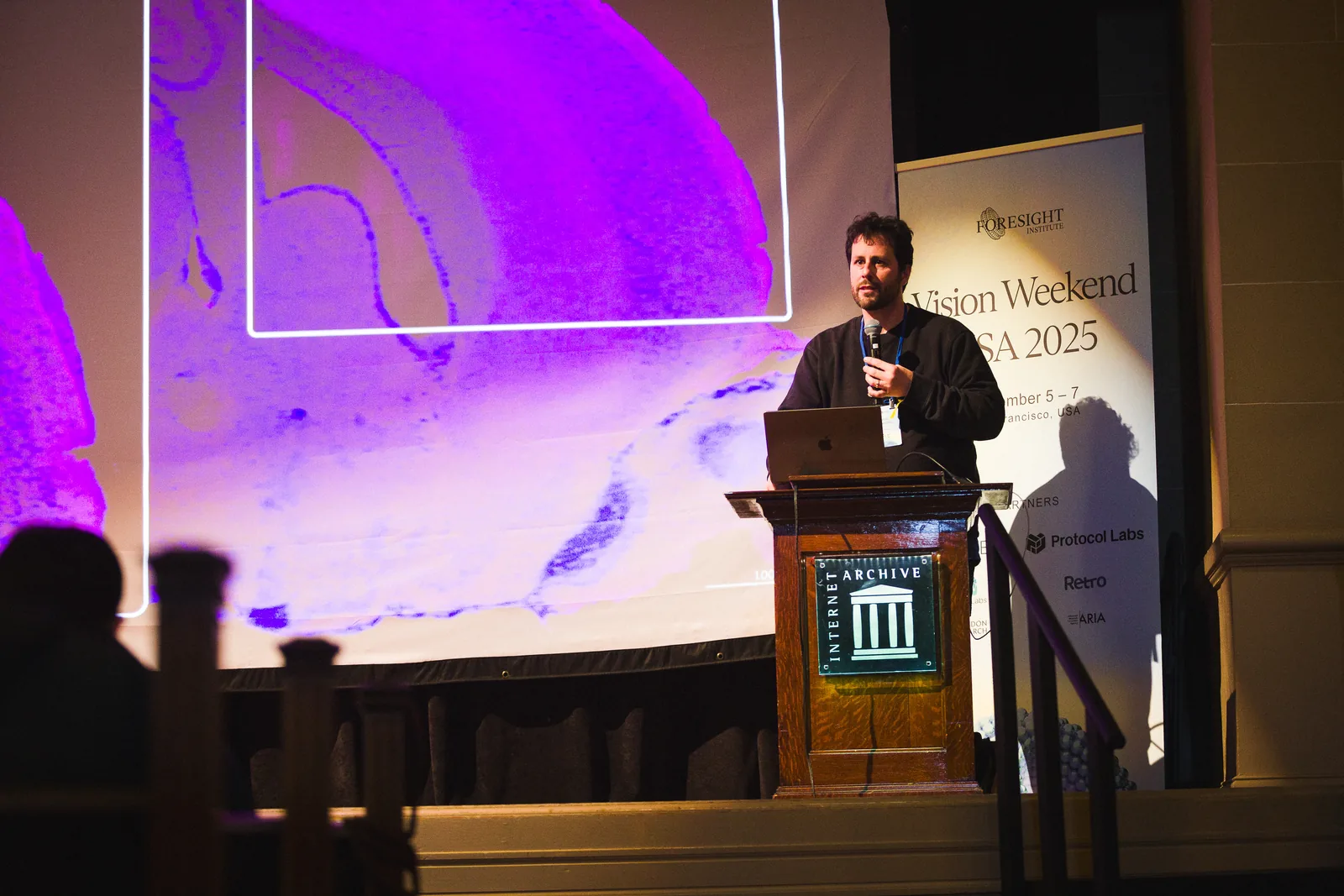
Last but not least, there’s Vision Weekend: our flagship conference bringing our community of researchers, builders, and funders together to celebrate progress and foster cross-silo collaboration. We’ve hosted 2-3 Vision Weekends annually in the past years, with one event always taking place in San Francisco. The rest have been held in places like London (2026), Old San Juan in Puerto Rico (2025 & 2026), Bückeburg Palace in Germany (2024), and Chateau du Feÿ, France (2023).

1000+

The past four Vision Weekends have in total had over 1000 participants

97%

Of respondents said they had made a connection at a Vision Weekend they expect to follow up on

42%

Of them expect that connection to become a collaboration

Selected stories

  • The 2007 Vision Weekend session on “Mind Uploading: Recent advances in High-throughput quantitative neuroscience which give insight into how uploading might be approached”, led by Todd Huffman, garnered significant interest. Fast forward 15 years, and Todd co-founded E11, one of the first successful Focused Research Organizations, for single-cell brain circuit mapping. E11 has developed technology that may make whole-brain connectome mapping up to 100 times cheaper than any other approach.
  • Vision Weekend Puerto Rico 2025 led to two outcomes for Zachary Miller: a conversation with Katherine Jones that has blossomed into a collaborative event bringing together ~20 neurotech entrepreneurs who had never met, and a conversation with Todd Huffman led to Zachary joining his research group at Episteme, securing both a role and funding for neuromimetic systems research.
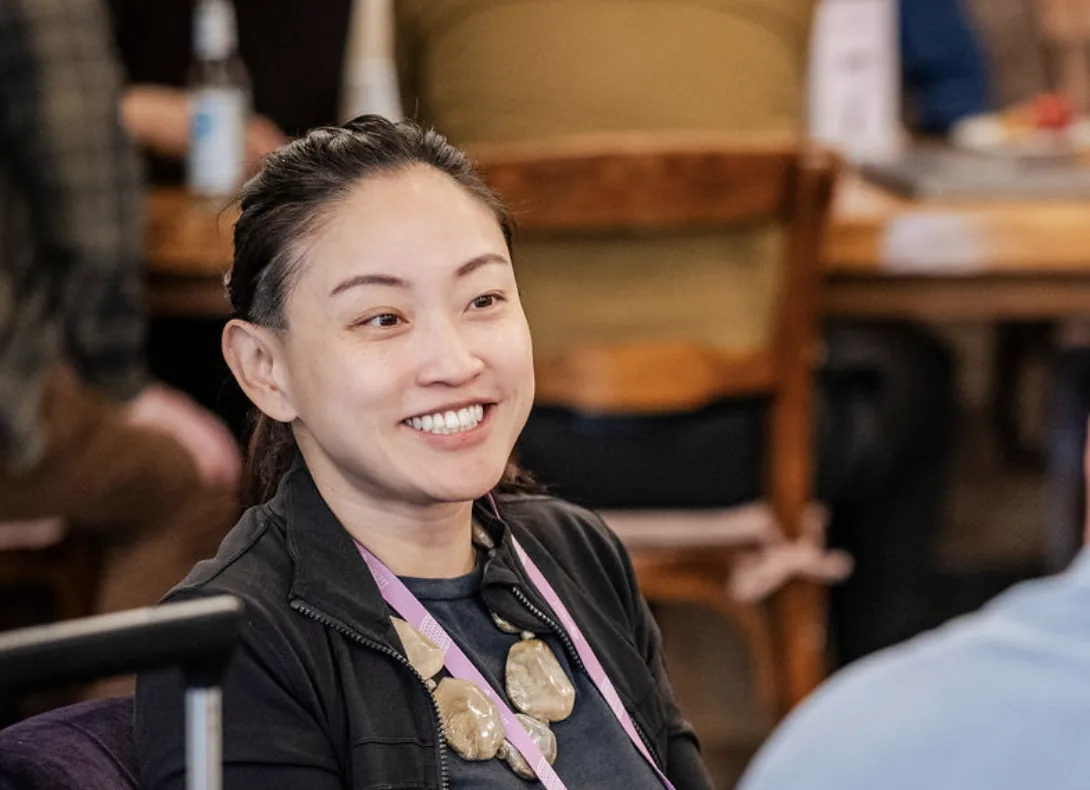
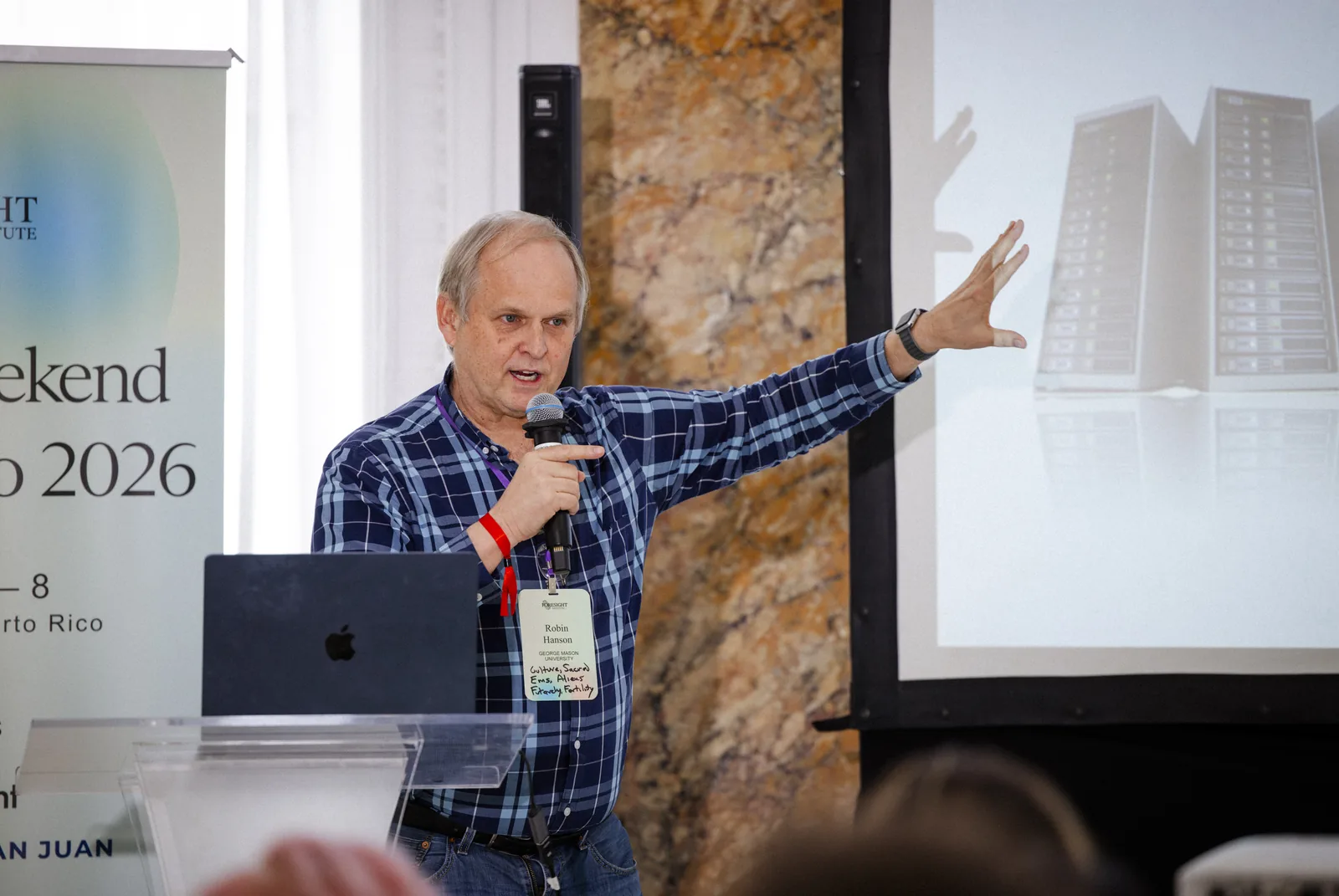
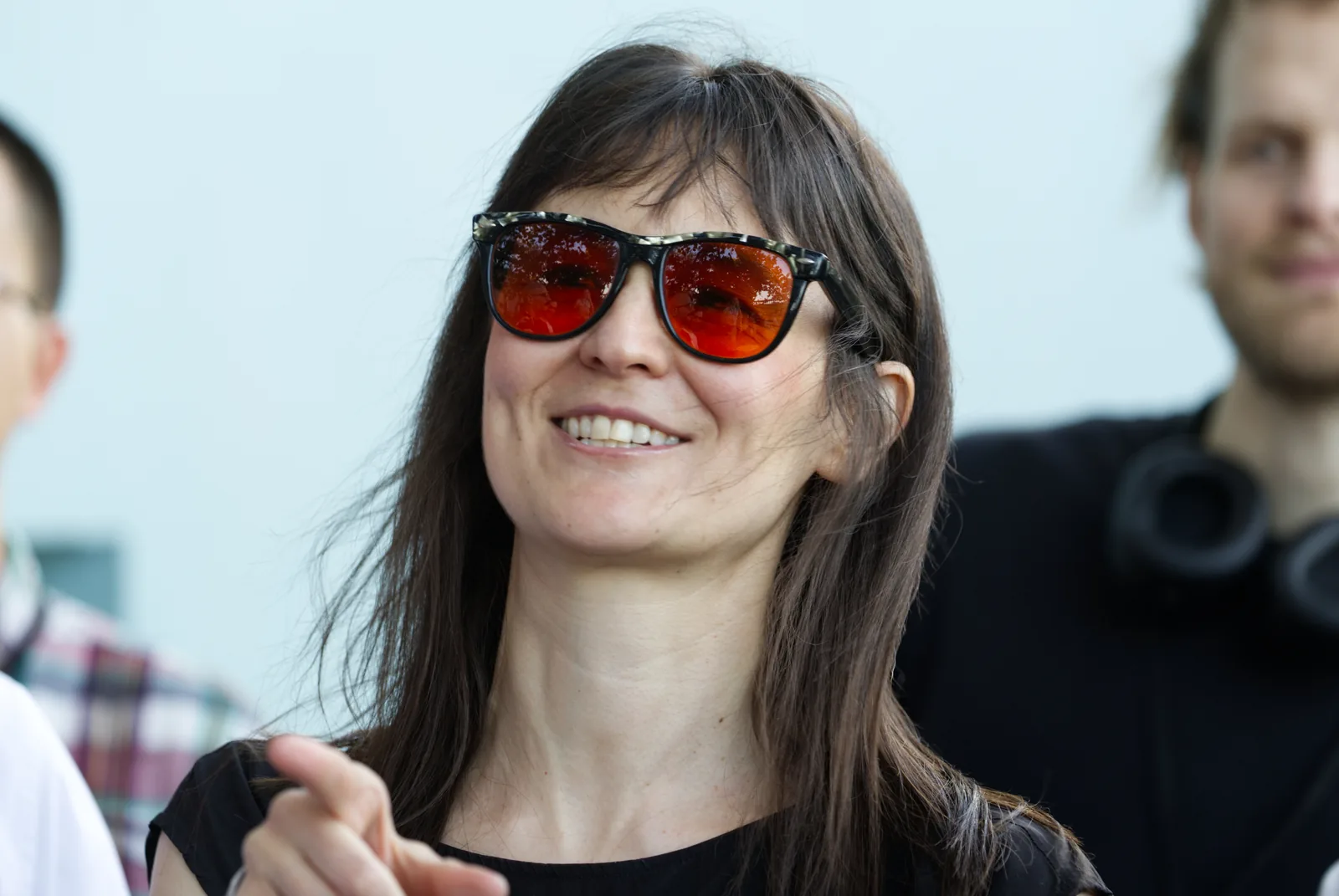
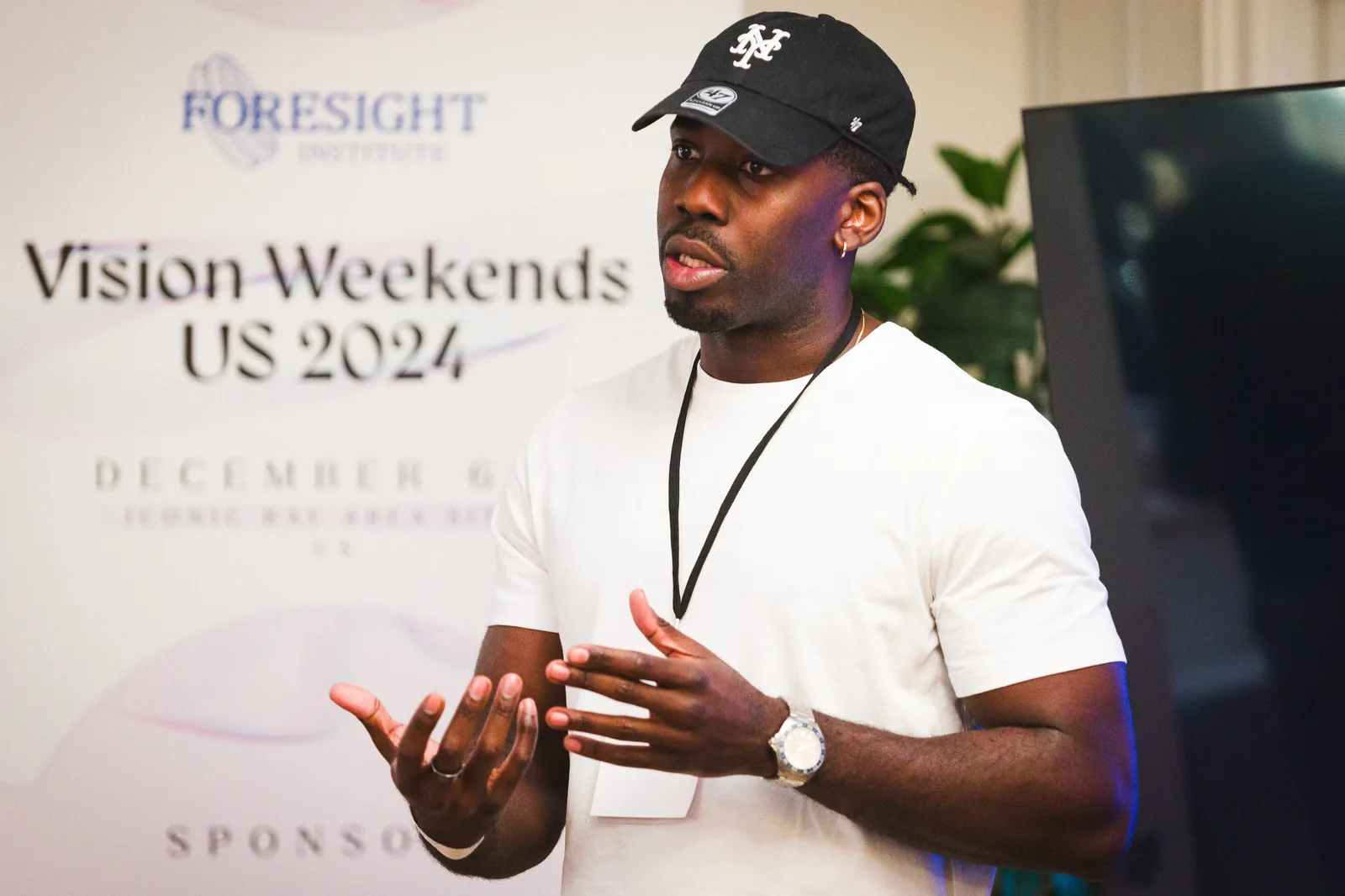
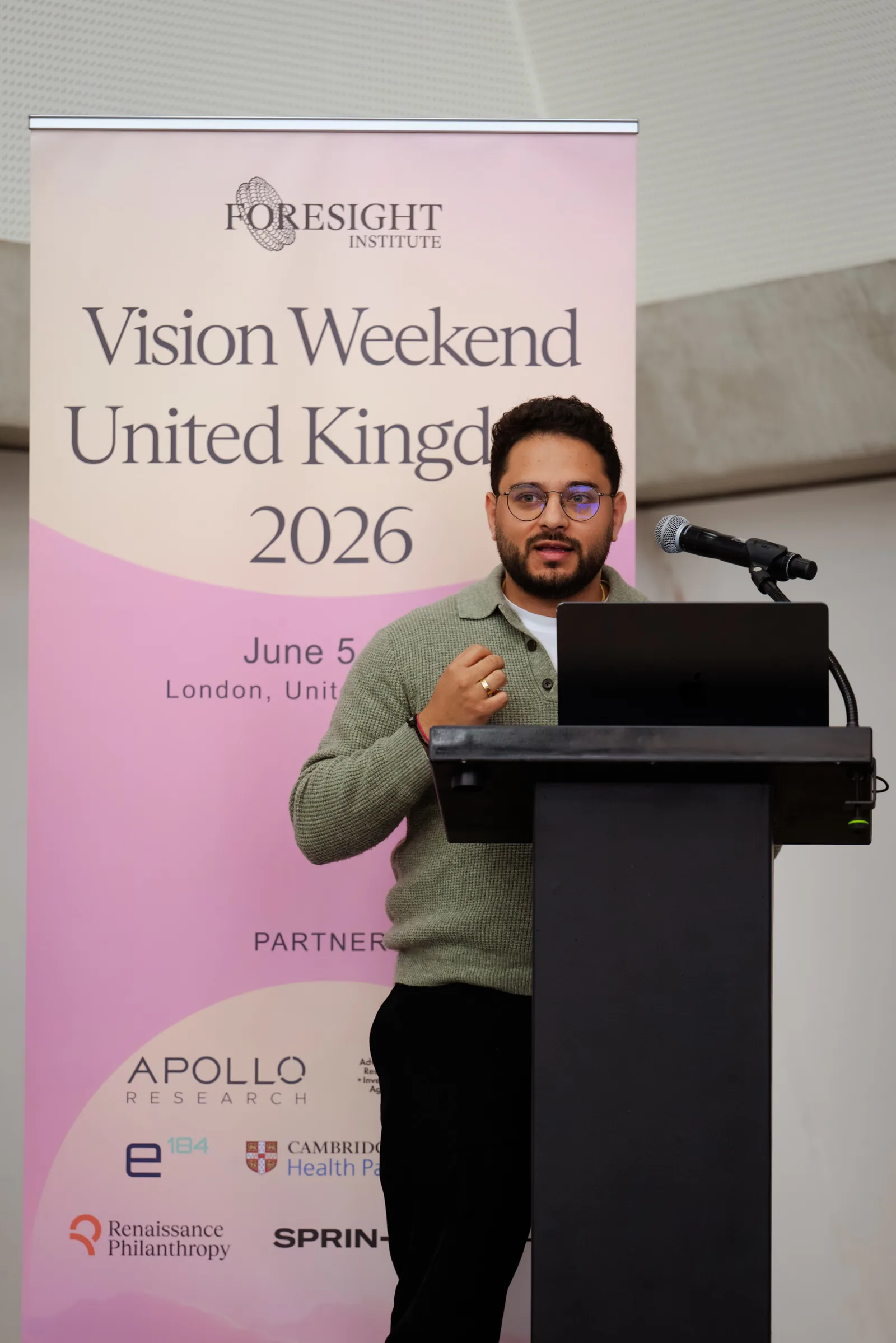
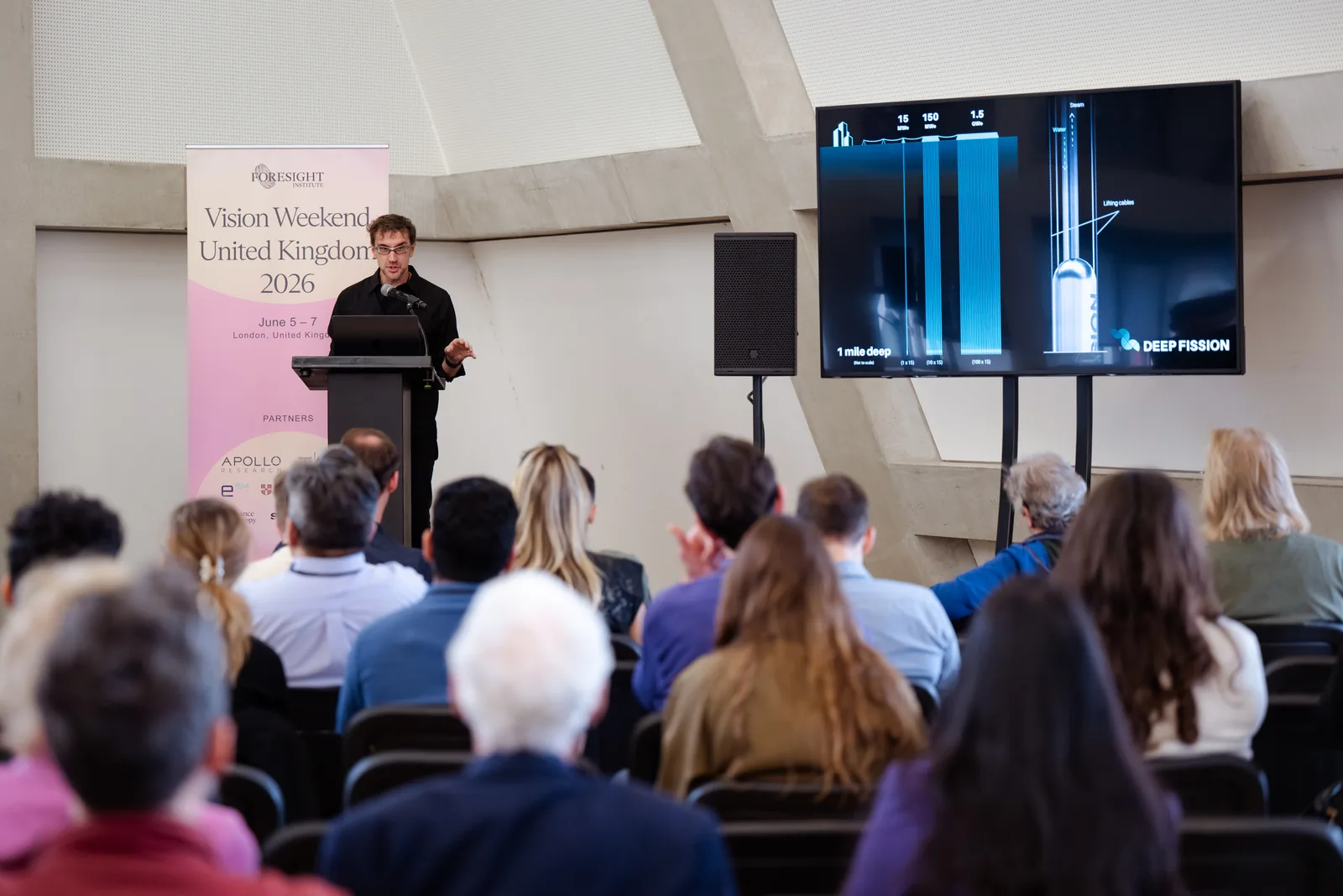
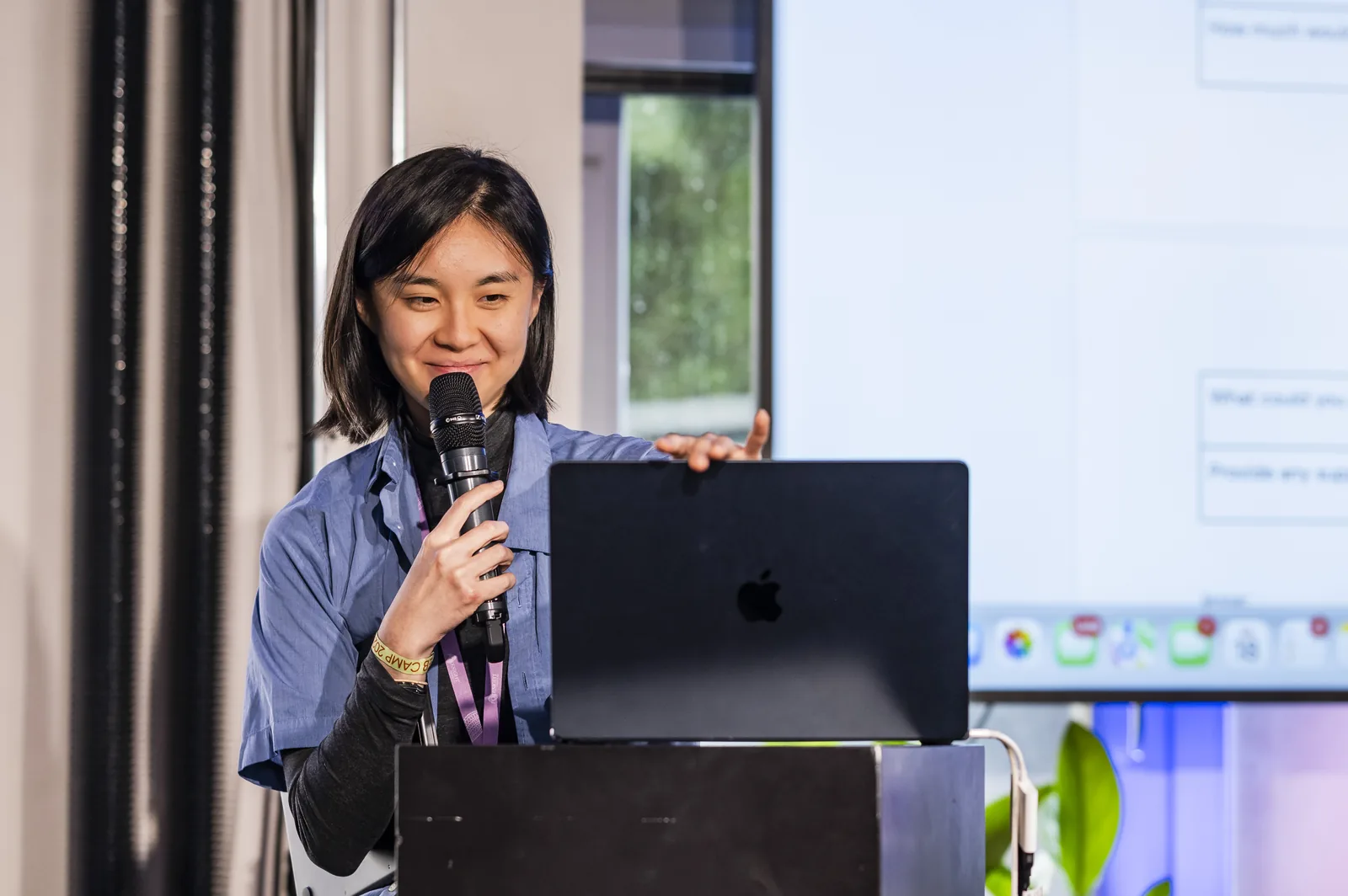
A speaker presenting at Vision Weekend 2026 A Vision Weekend attendee smiling A speaker at Vision Weekends US 2024 A speaker holding a microphone
“At Foresight Institute’s annual Vision Weekend, nearly everyone will be smart, nearly everyone will be ambitious, and nearly everyone will be inspiring. The connections I’ve made at Foresight Institute events over the years have been immensely valuable and I feel privileged to be part of the community. Attending the Vision Weekend has become a yearly pilgrimage for me!”
Dan Elton
“Each conversation I have at the Foresight Institute feels like the start of the next 100 years. It’s a concentration of people thinking a couple of decades (and sometimes centuries) ahead of the rest of the world.”
Ben Woodington
“Foresight Vision Weekend has always been the most inspiring and insightful event I attend. Every year. For decades. Don’t miss it!”
Ravi Pandya
“Before Vision Weekend (VW), I had only a couple of connections in the neurotech space. After attending VW, I have many more opportunities to join passionate people at the frontier of the field, and many more connections with people working on the same problems as I am and those I believe are important. I would 100% recommend attending!”
Noah Hayes
“I have never been in a space that brings together such forward-thinking minds from across different disciplines. It is a place that, by its very nature, breaks down silos.”
Faissal Sharif

2026 in pictures

11 · Thank you

Thank you

Everything in this report was made possible by our community, the people exploring the frontier who chose to spend their valuable time with us: fellows, grantees, prize winners, Node members, seminar hosts, volunteers, and partners. Thank you. You are the reason this community has lasted four decades and continues to thrive.

And to our donors and sponsors: none of this work happens without you. Every grant, fellowship, prize, and AI Node exists because you chose to back us and believe in the work. That is a kind of generosity we do not take for granted.

For forty years, Foresight has been early in advancing underexplored areas. The same pattern of discovery holds now, with far higher stakes as these technologies approach deployment. But the opportunities have also never been greater.

Be part of the next Foresight chapter. Renew your support. Start a new partnership. Or simply have a conversation with us about where the frontier is heading. In whatever capacity you want to collaborate, we would love to hear from you.

A sincere thanks for being part of this one-of-a-kind community,

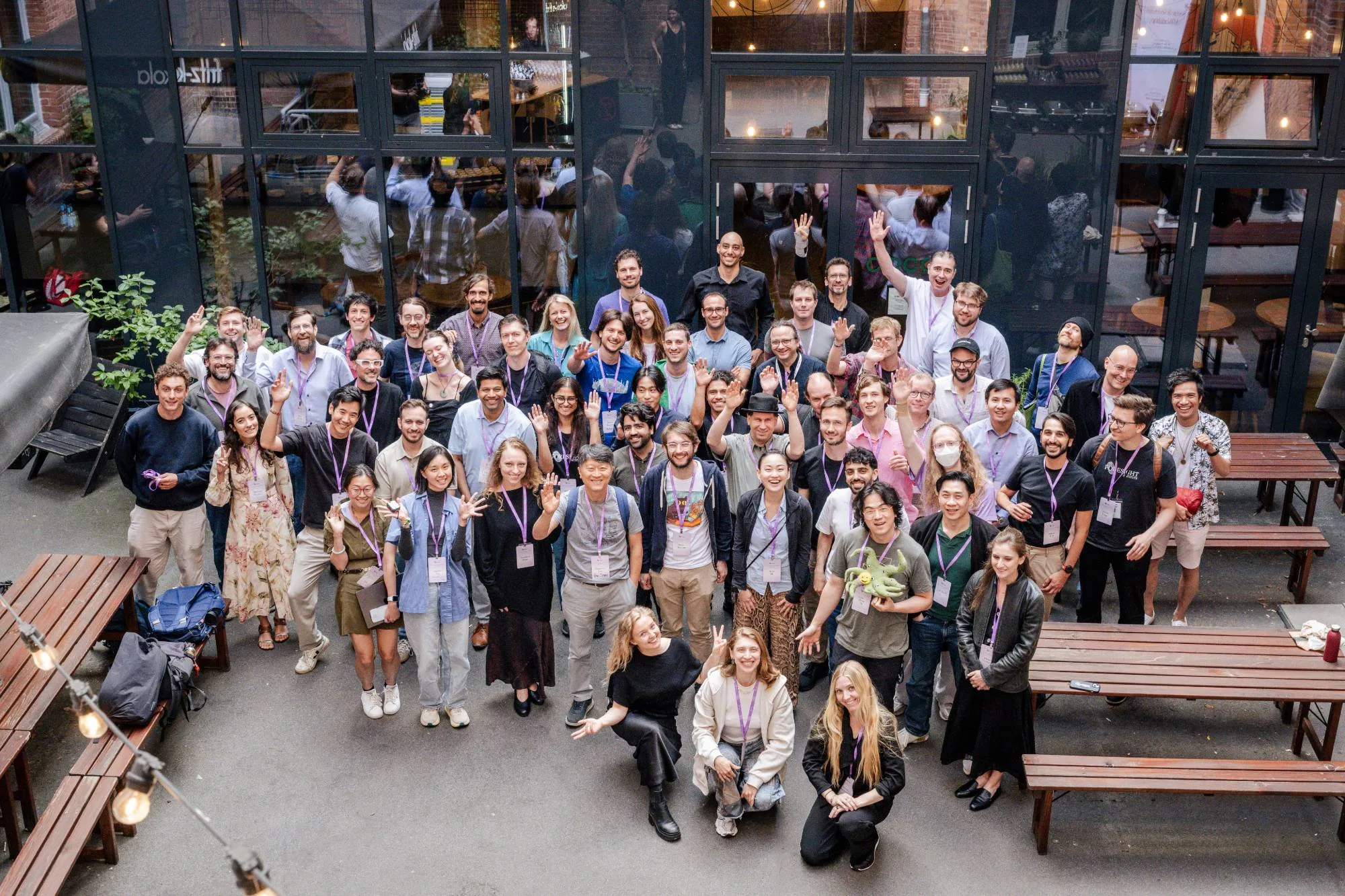
A large group photo of the Foresight community

The Foresight Team

Allison Duettmann

Allison Duettmann

CEO, Foresight Institute

Christine Peterson

Christine Peterson

Co-founder, Foresight Institute

Foresight Institute · 40th Year Impact Report · 2026 · Download the PDF